- Urban Design
- Projects
- Crisis
Crisis
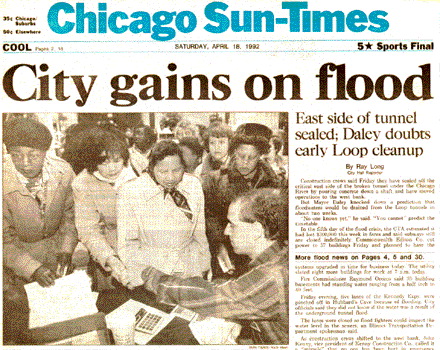
On April 13, 1992 Chicago faced an incredible challenge: an extensive tunnel system that ran throughout the entire downtown area was flooded from the Chicago River. At the time, I was working in the Mayor’s Office, and quickly joined the team from City Hall to manage the crisis. Each member of the team brought their own skill sets - as the only member of the team with technical and engineering training, I was able to interface with varied engineering teams that we brought onto the site to resolve the crisis.
The impact was huge - the entire downtown (over 1 million people) had to be evacuated; public transit was shut down for days, as their tunnels were flooding as well, with water running over electrical switchgear. Public anxiety was very high, uncertainty rampant. Yet in a period of one week, the crisis was addressed, solutions installed, and a long term plan to avert any further similar events was put into place. Management of the crisis was done first through the Mayor’s Office and with Kenny Construction as lead contractors. I was pleased to be a member of this team through one of the more stressful events of my career.
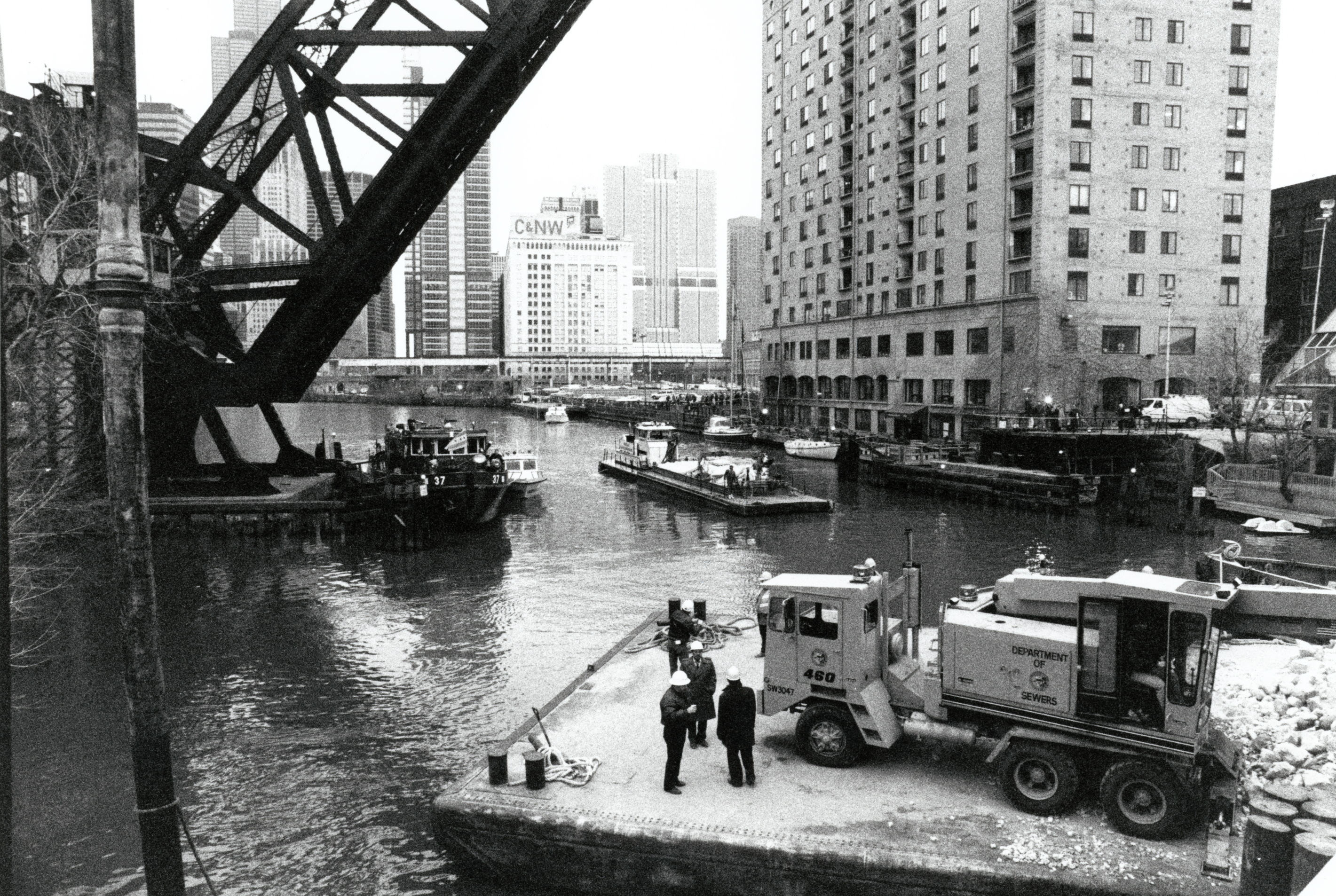
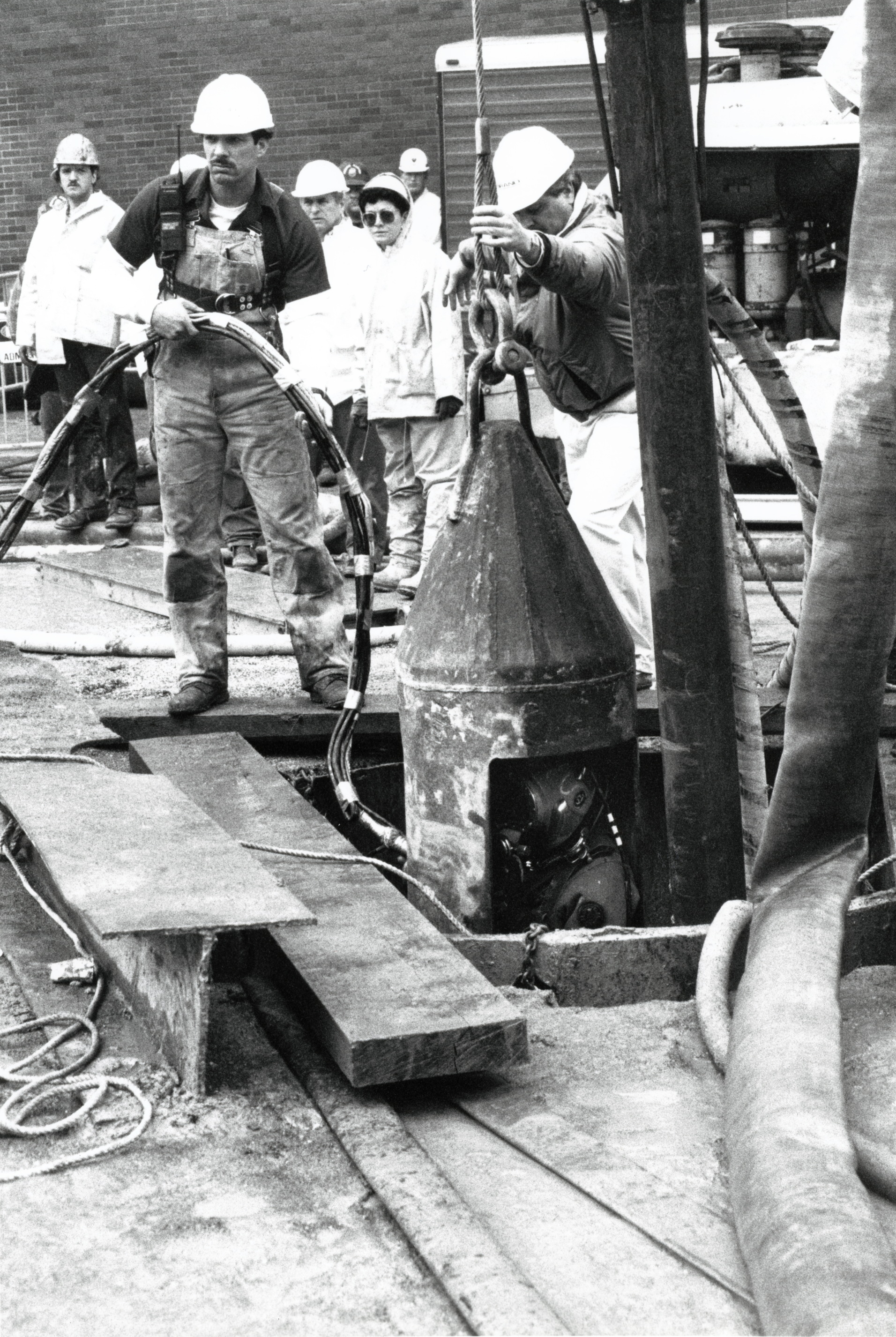
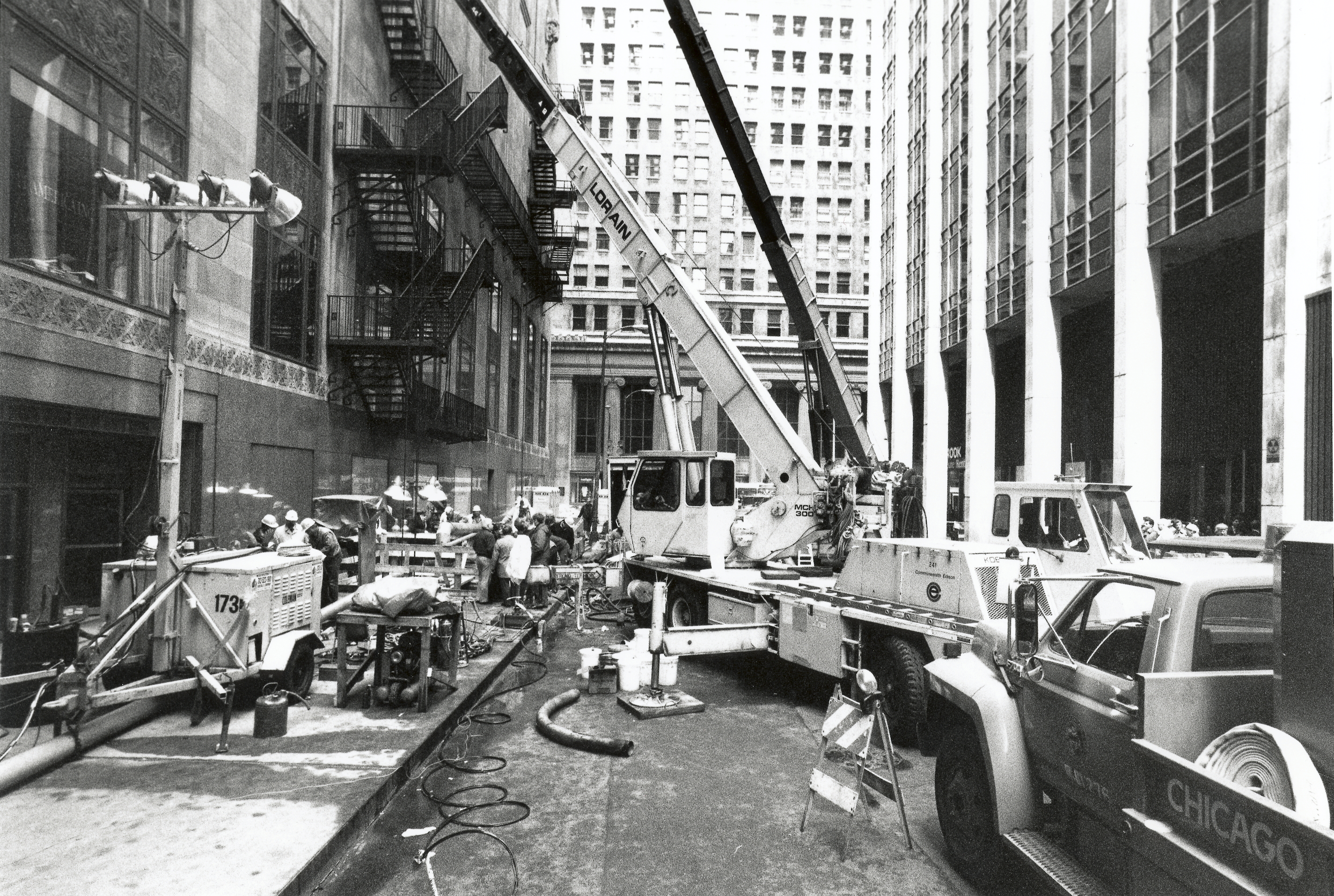
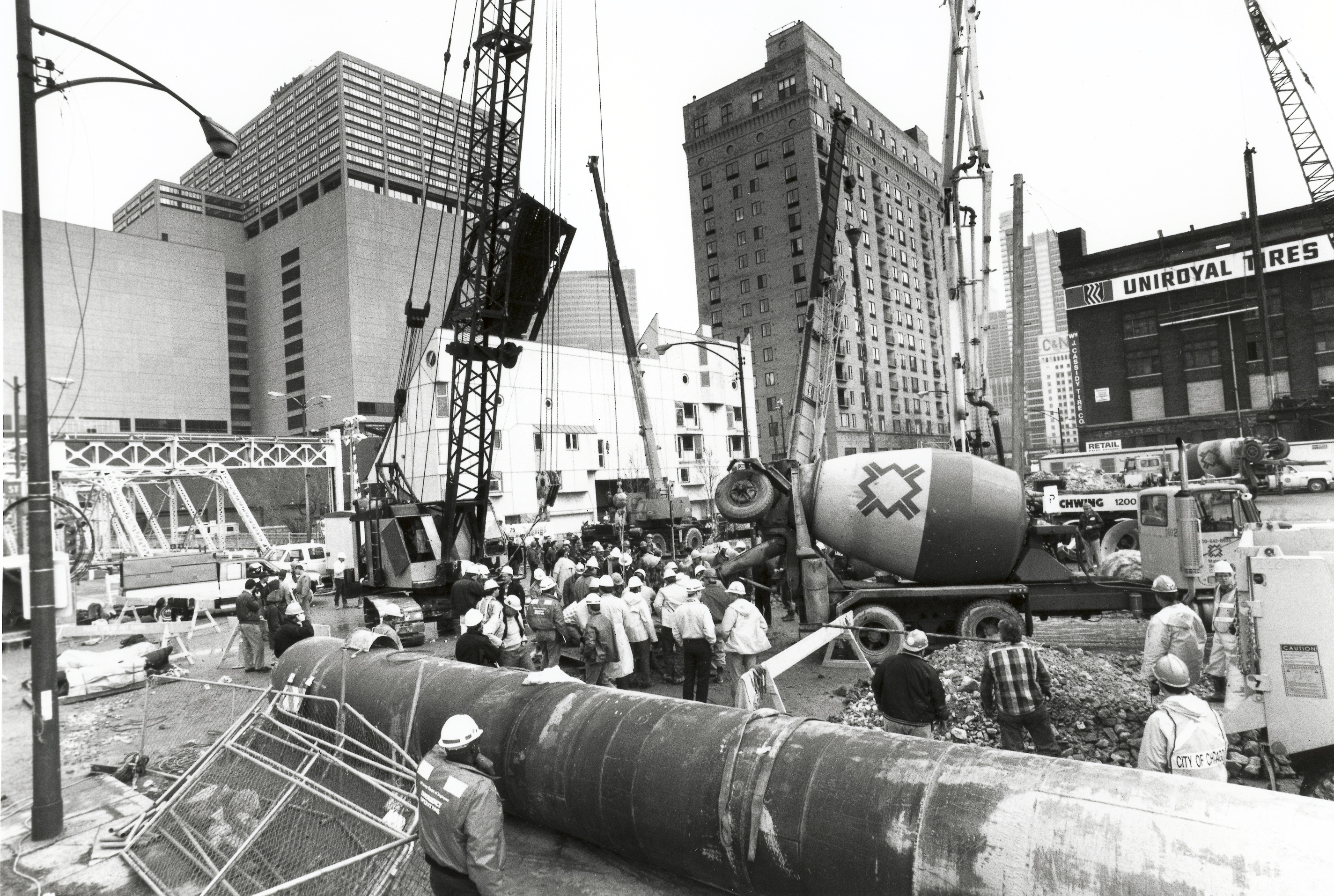
It took some time to determine the cause of the crisis and its extent. Initial responses had been inadequate; within a day, however, different engineering teams had been assembled and organized to tackle the various aspects of the project; Kenny was well on track to both drilling down to the tunnels and plugging them with concrete, as well as getting “pigs” (inflatable bladders) flown in as plugs just in case.
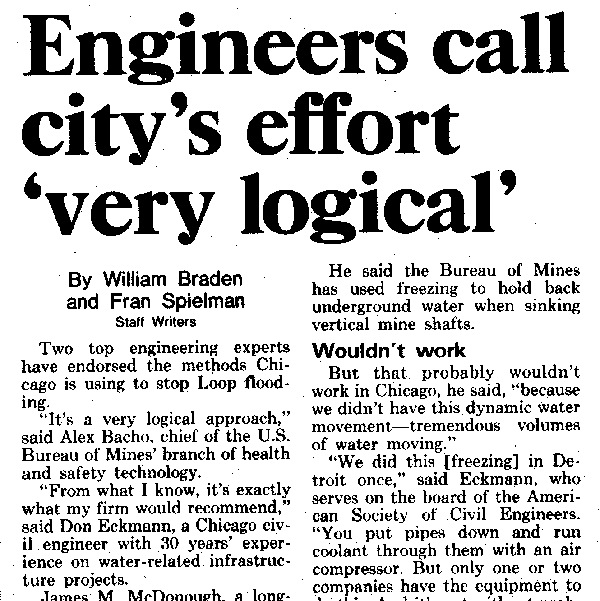
The details of the solution were carefully worked out between the construction team (leading the effort) and the engineers in support. In addition, several international firms were active in advising - including Bechtel, the Chunnel construction effort, and others familiar with ocean drilling platforms and flooding.
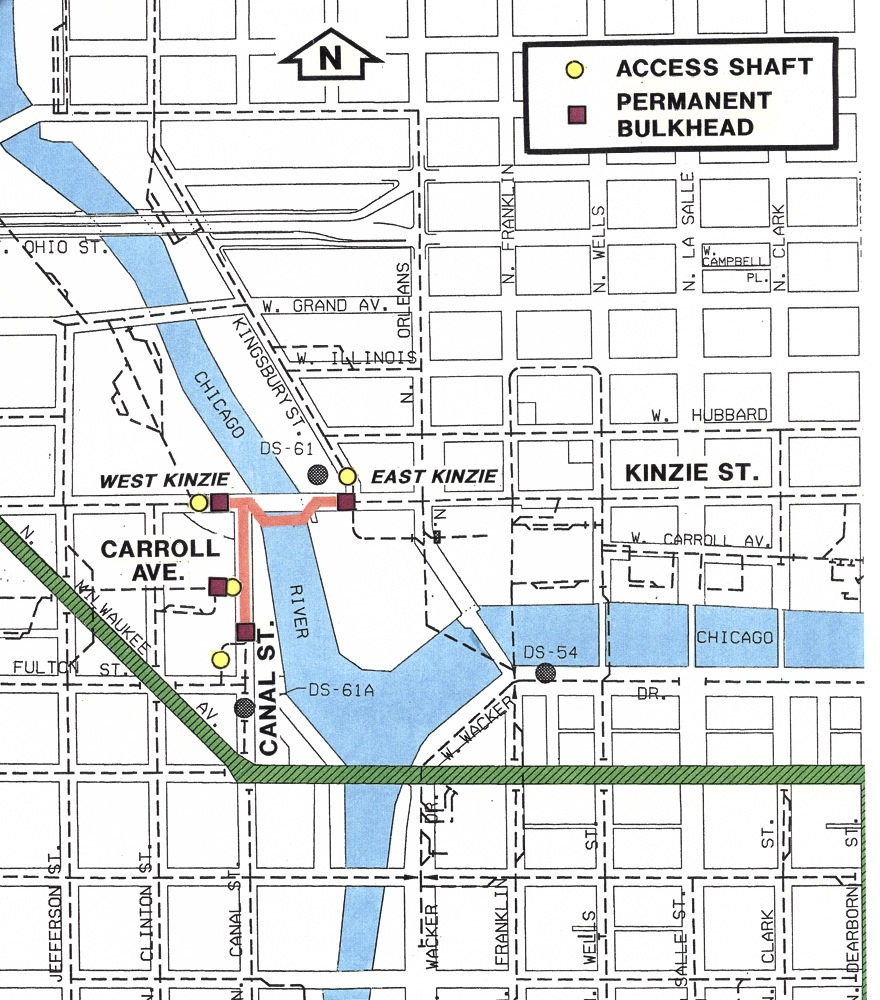
Onsite the project was divided into three different study areas: 1) the flood incursion itself, to be plugged by Kenny; 2) surrounding impacted areas, including the downtown, with regard to flooding, settlement and dewatering solutions, which was addressed by the engineering teams and STS, geotechnical consultants long familiar with the subsurface conditions in Chicago, and 3) the larger economic and political issues resulting from such a shutdown and crisis, to be managed by the City and its varied departments, particularly Inter-governmental Affairs and the Dept. of Planning.
Each of these spheres had its own particular complexities: the drilling down to the tunnels was not easy: the streets were filled with active utility lines, and the exact location of the tunnel was not discernible. Drilling slightly off center could make the problem worse, as the tunnels were unreinforced concrete and could be distressed; structural analyses were run of the forces on the tunnel structure.
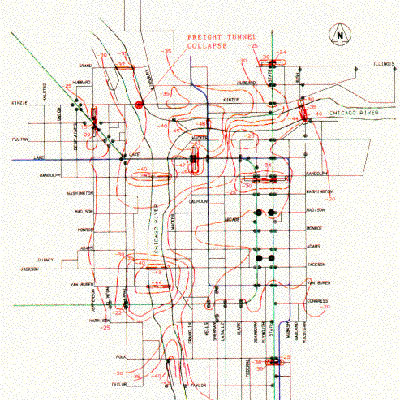
With regard to the subsurface conditions, dewatering (pumping out the water) had to be done at a controlled rate to avoid differential settlement (and possible damage to major buildings). Monitoring stations were set up throughout the tunnel system, and a specific dewatering plan was developed and submitted to the Army Corps of Engineers, and successfully implemented.
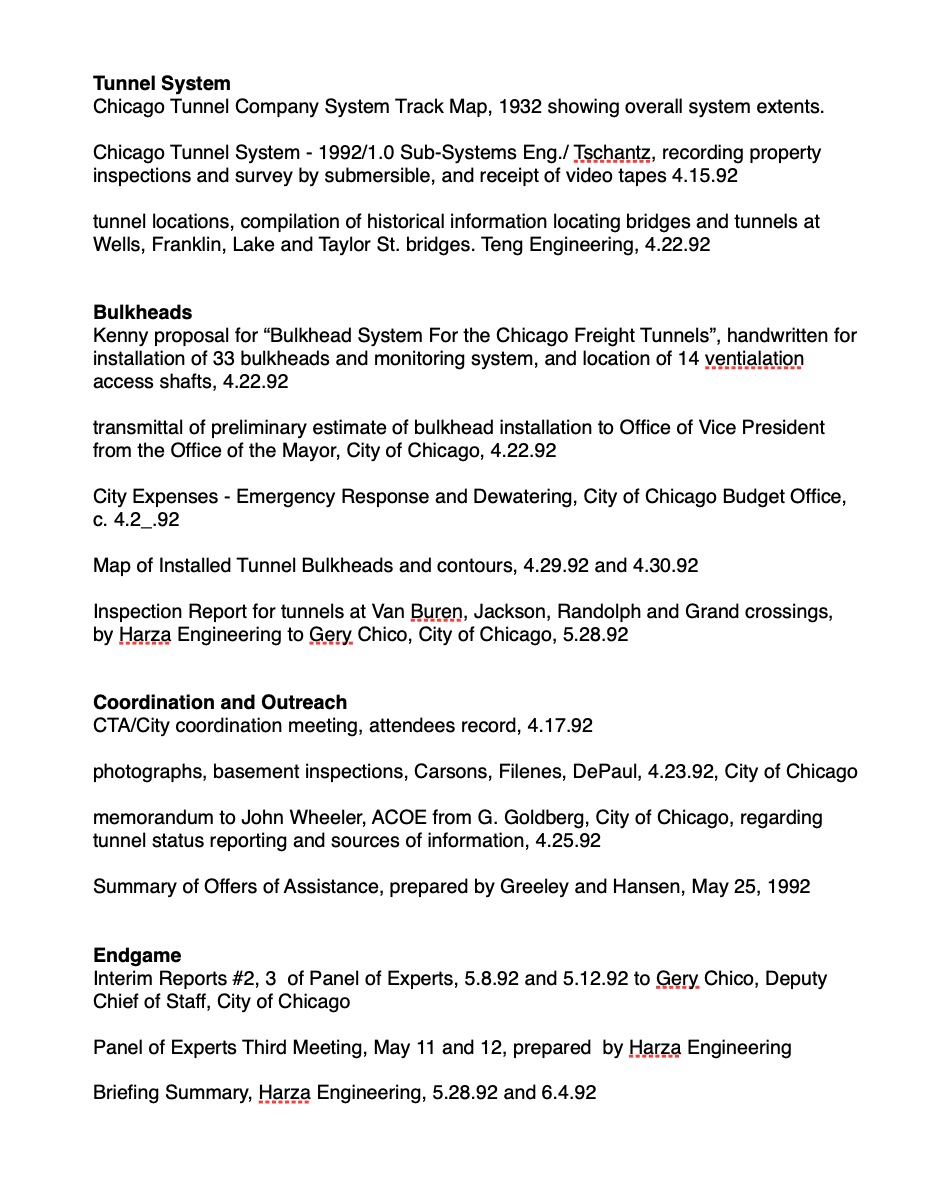
Inter-agency coordination was undertaken through the City’s command center, set up in a warehouse nearby the site. Coordination meetings were set up with the CTA, Coast Guard (in charge of the river traffic), Army Corps of Engineers, rail companies, etc. Construction cost estimates were prepared with Kenny (personally working with them) and sent to the White House for congressional funding.
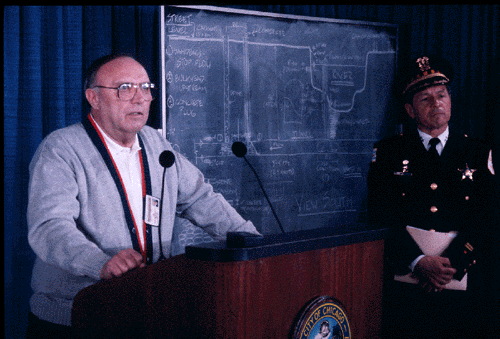
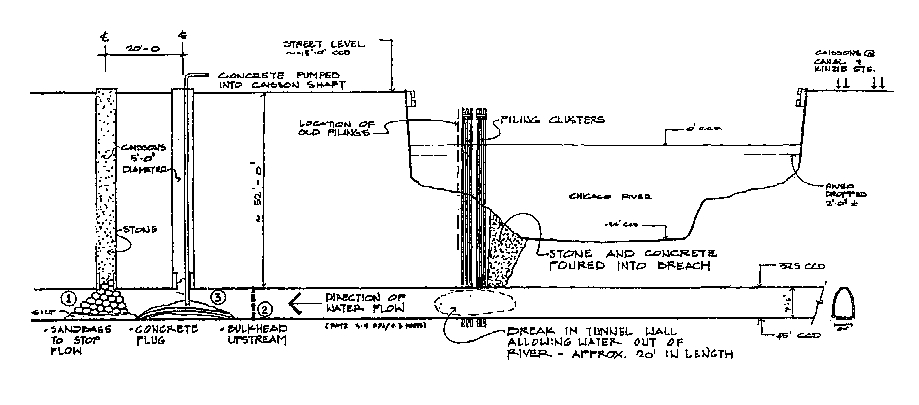
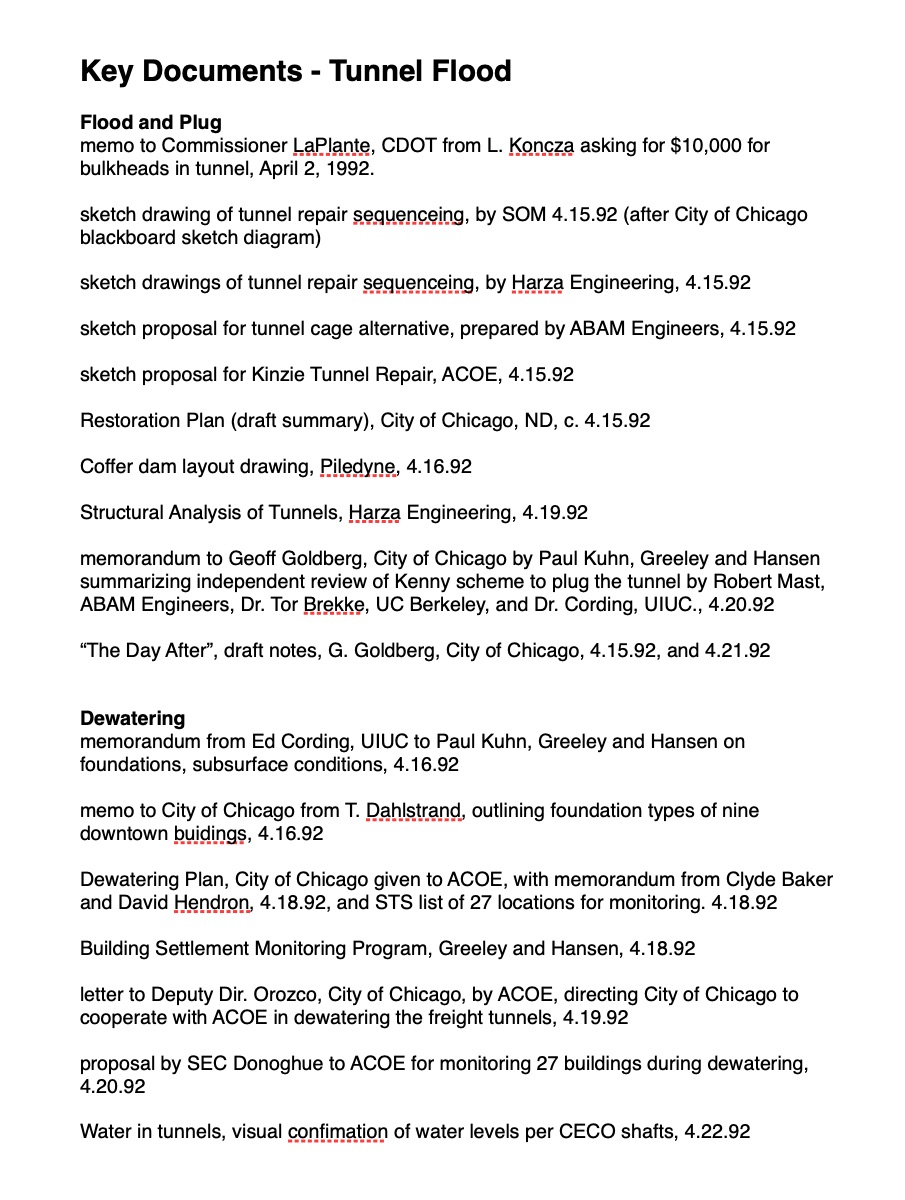
A “panel of experts” was established to quickly and informally review the work in progress, and to make suggestions on how it could be improved. A hotline for the public was also put into place, to track each suggestion or idea that was made. Finally, daily press briefings were held, detailing the efforts underway, and helped to quell the anxiety. A sketch drawing was prepared outlining the solution - and it went from a chalk drawing on a board (midday) to one of the TV stations making a large working model to illustrate the approach for their nightly news.
This detail is provided to give a sense as to how a crisis needs to be addressed: too often a lack of leadership or direction leads to inadequate and untimely efforts. This was the opposite: the problem was clearly assessed, and different roles were played by many different and highly competent individuals. In the end, the crisis was solved, the problem went away, and repairs made so that it could not happen again.