- Investigations
- Curvature
- Curvature
Curvature
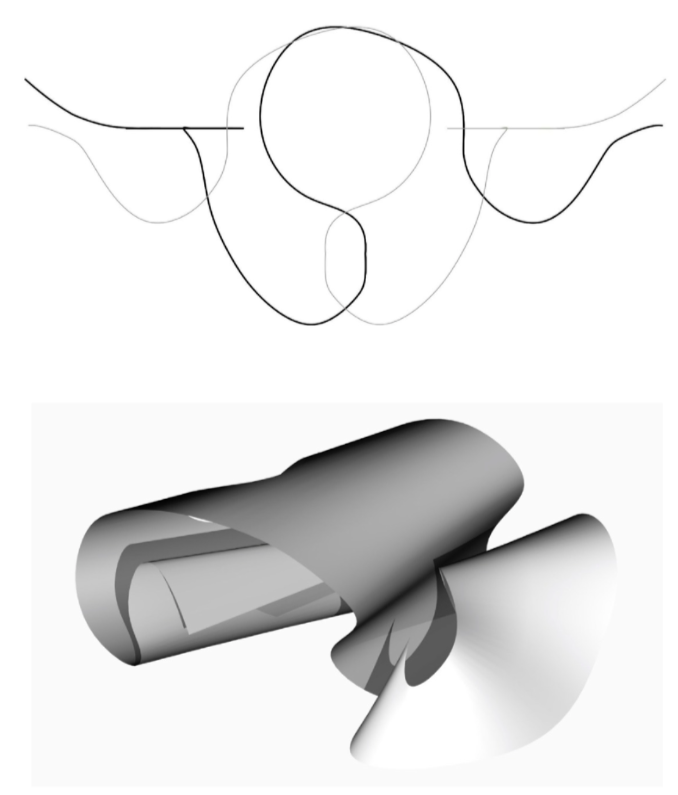
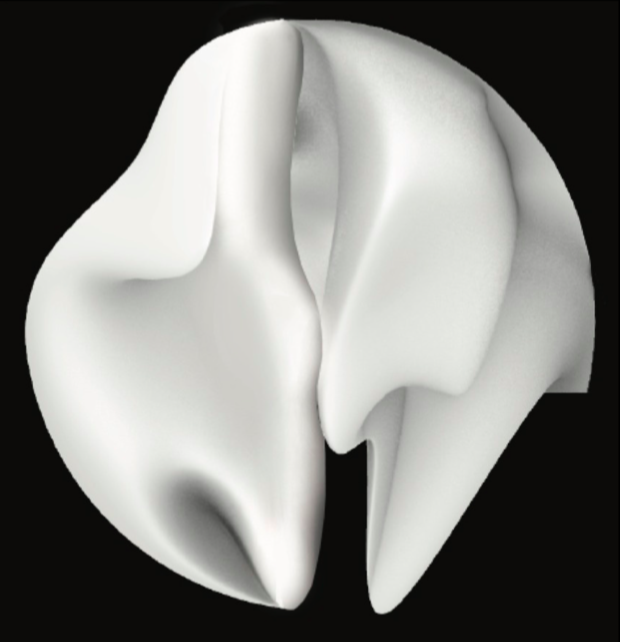
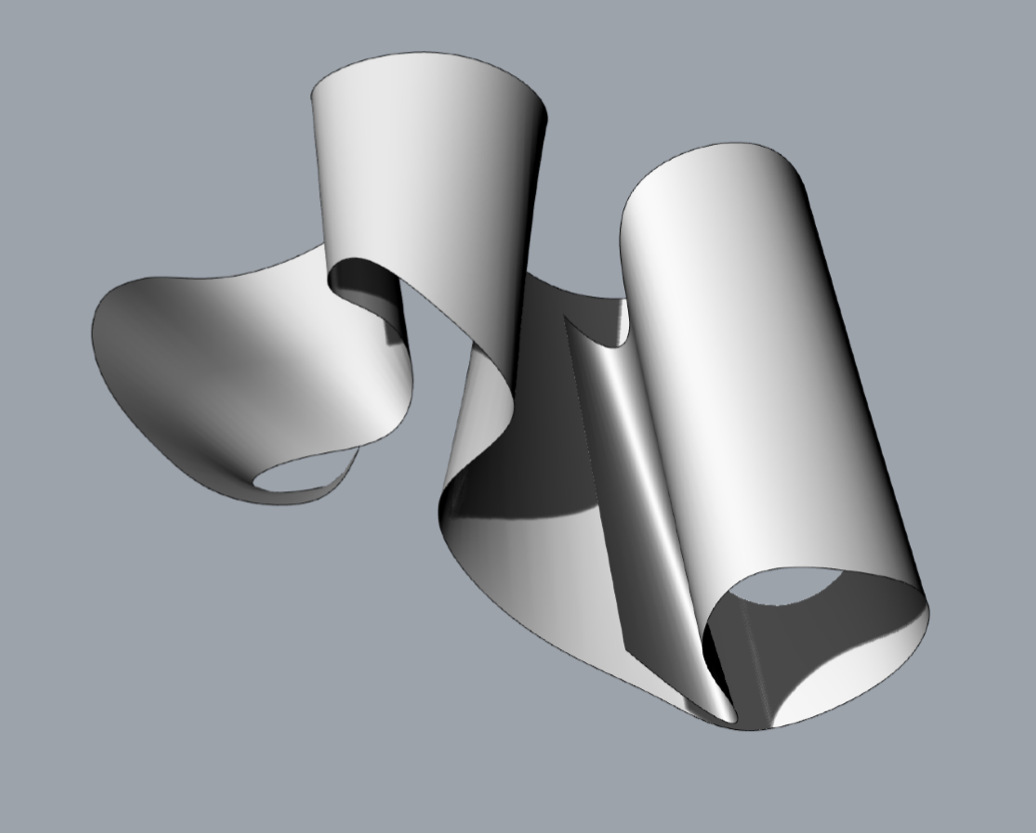
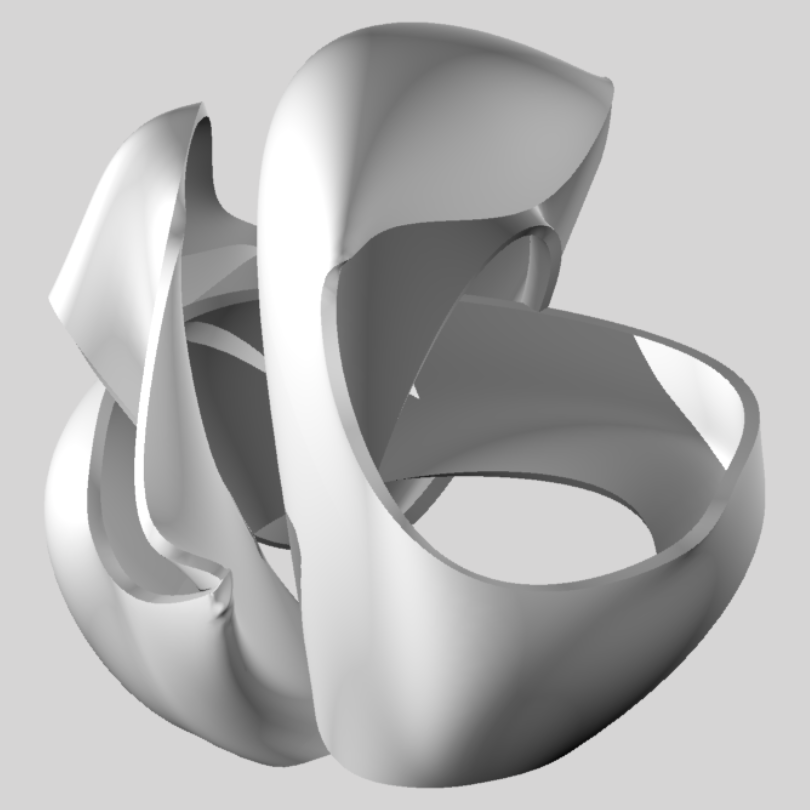
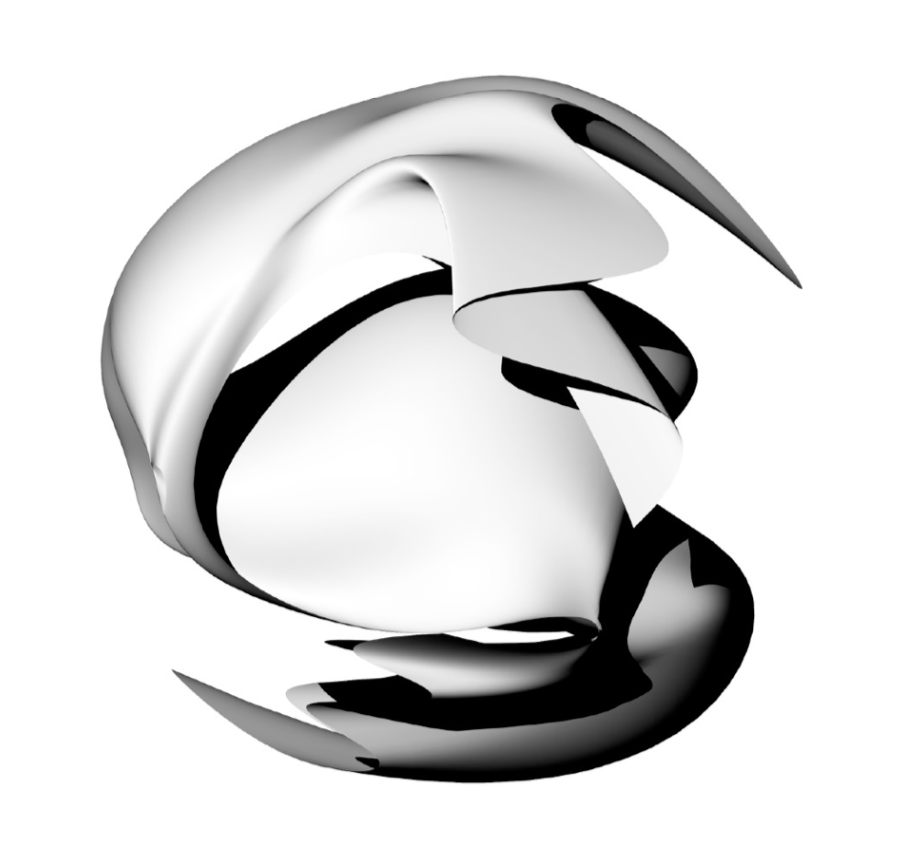
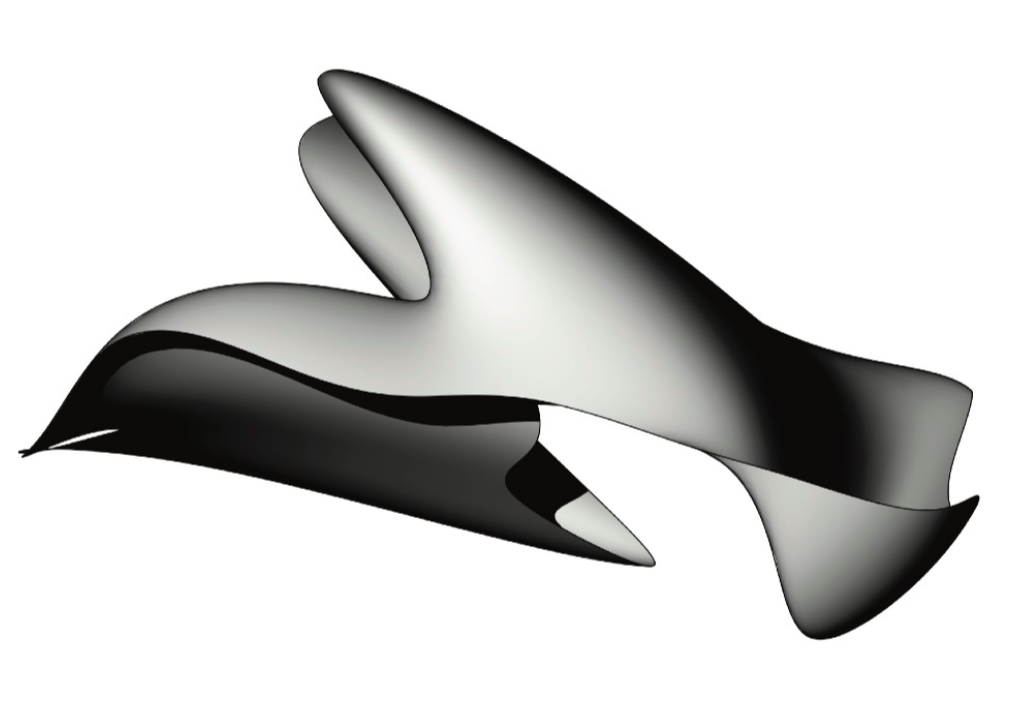
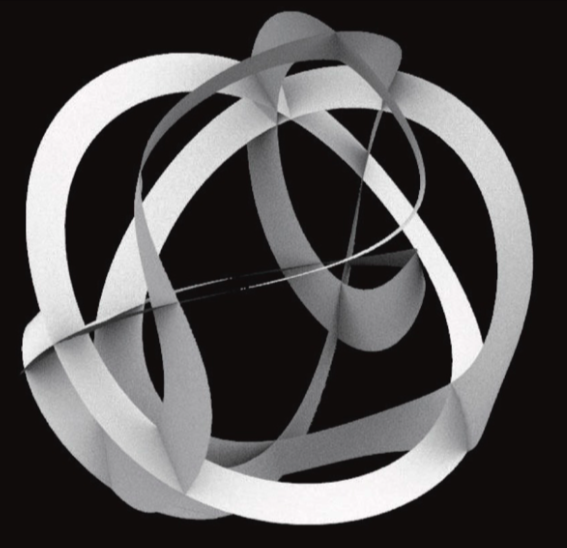
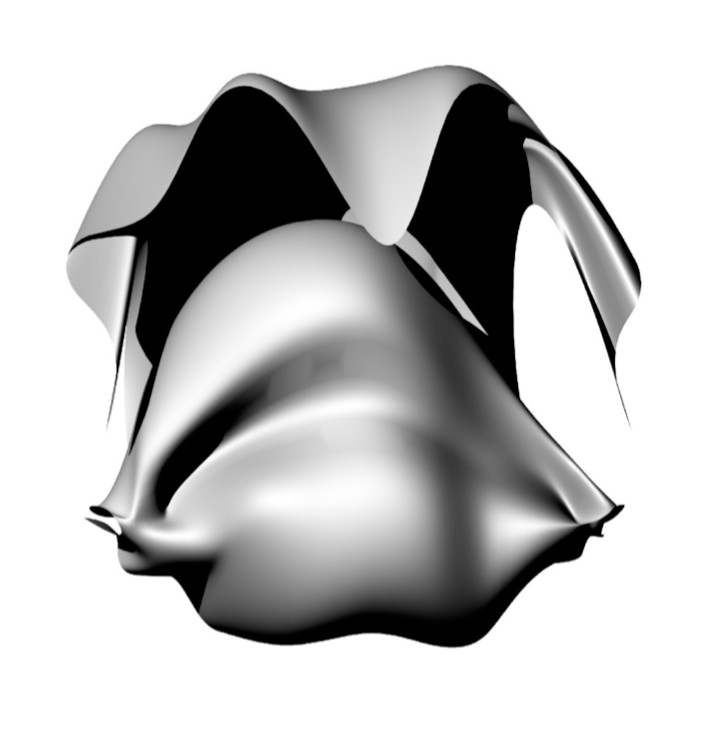
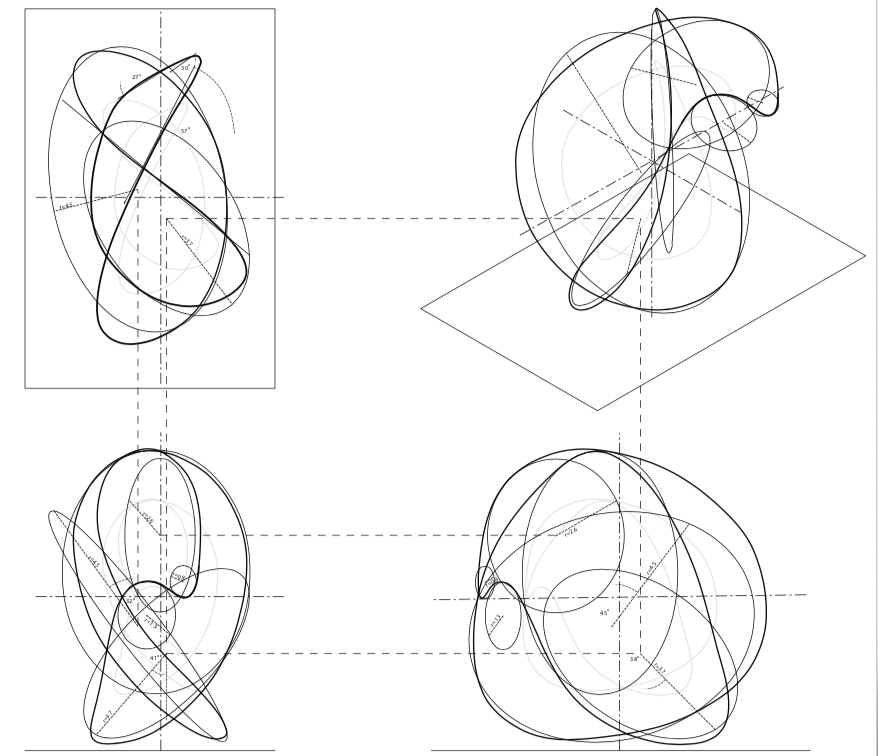
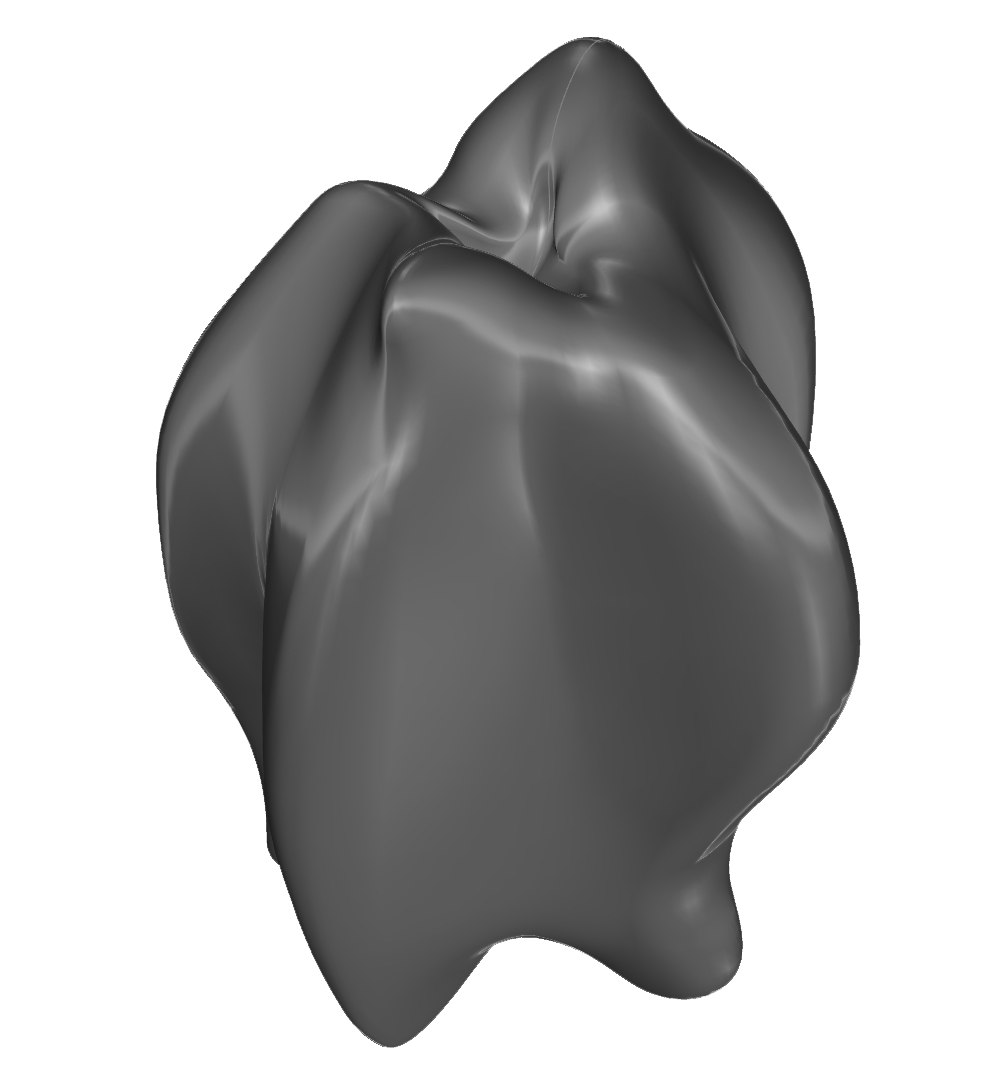
Complex Curves and Plastic Shapes has been taught for several years in architecture programs. Work has focused on compositional modelling by studying key sculptors whose analog work direct our study.
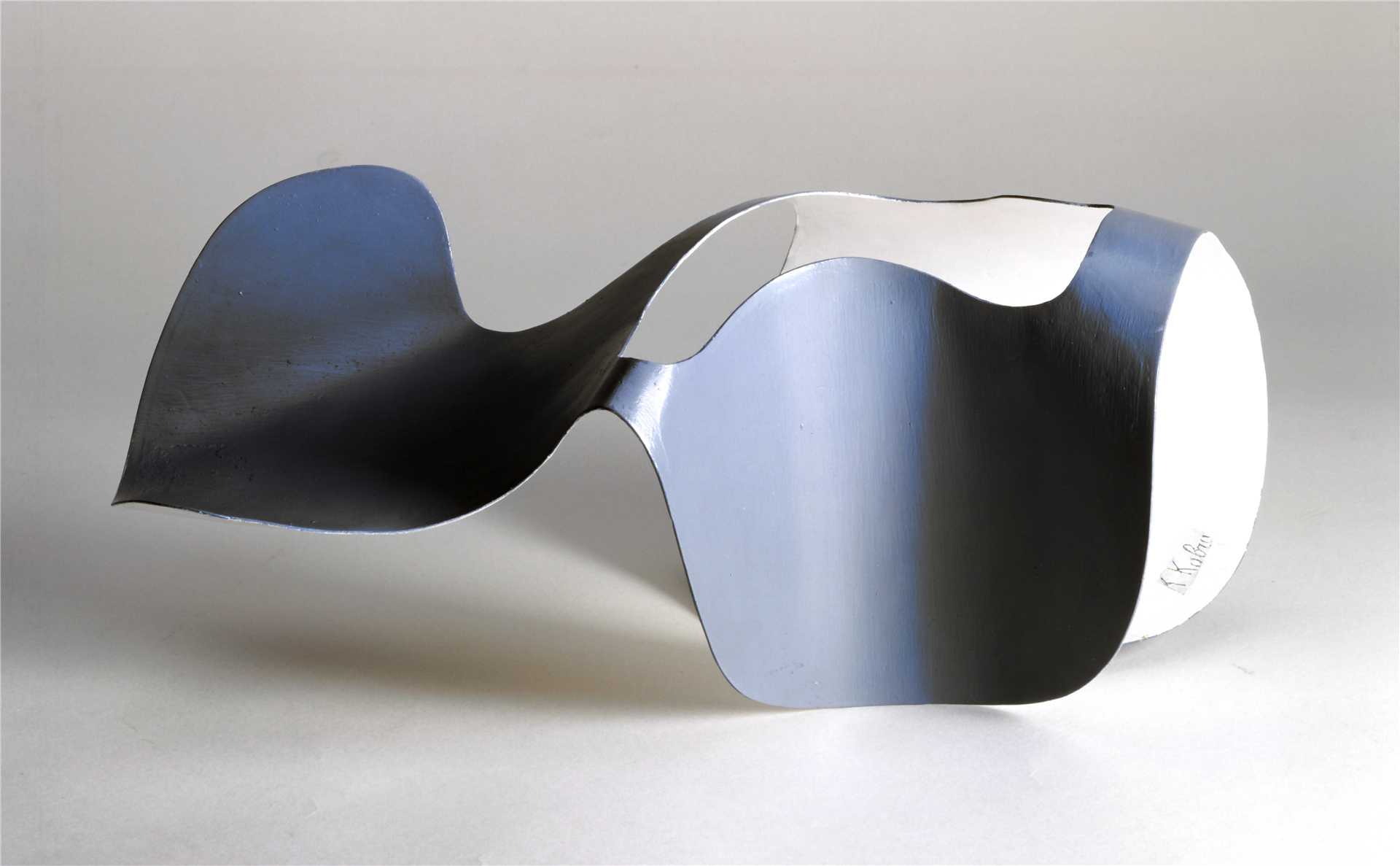
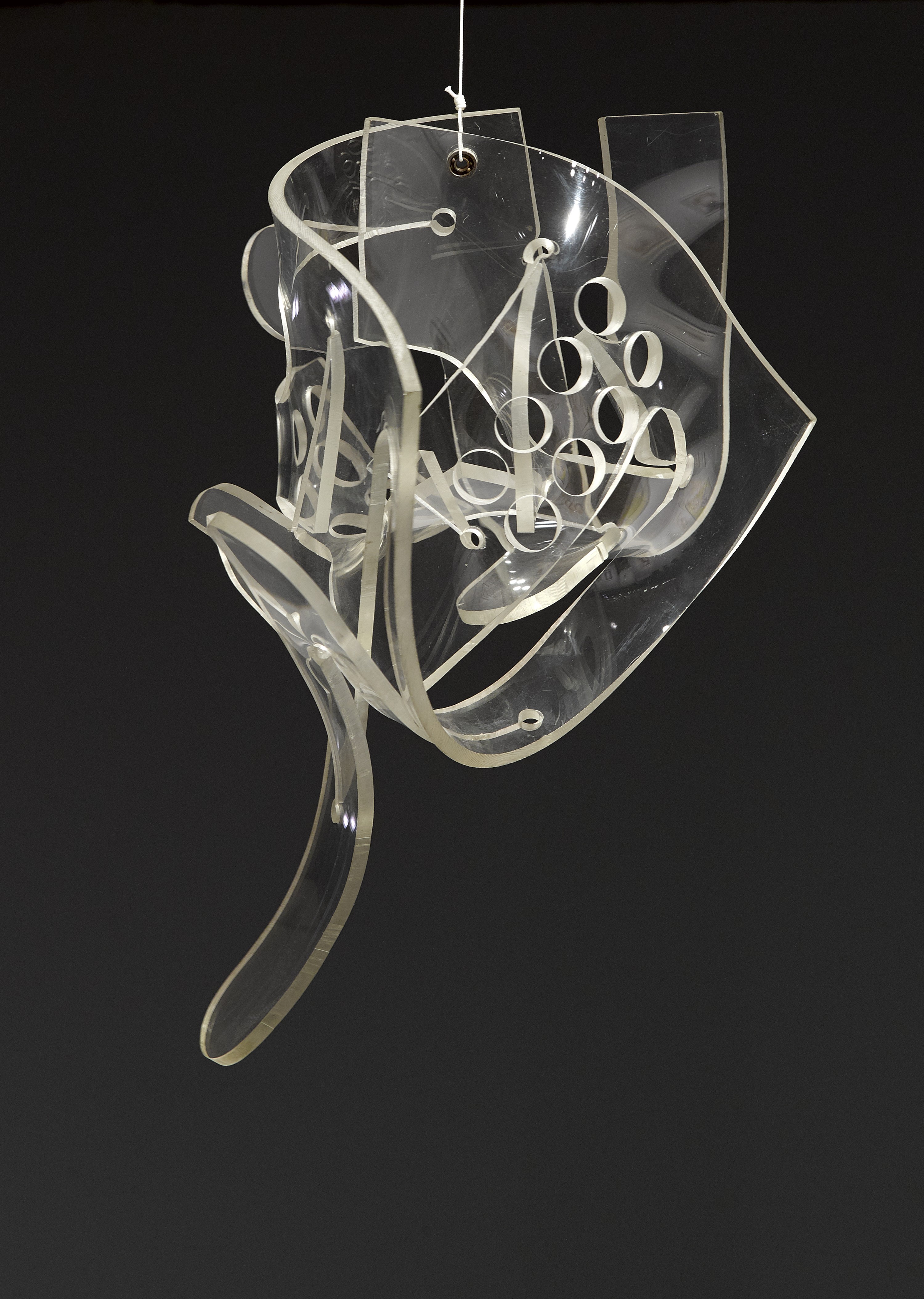
The progressive sculptors of the 1930s can be understood as setting up the theoretical aspects of such specialized forms. The work of Tatlin, Gabo, Arp, Kobro, Vantongerloo, Max Bill, Barbara Hepworth and others establish both disciplined approaches and a range of material solutions for the construction of such complex shapes. At left are works by Katarzyna Kobro and Moholy-Nagy.
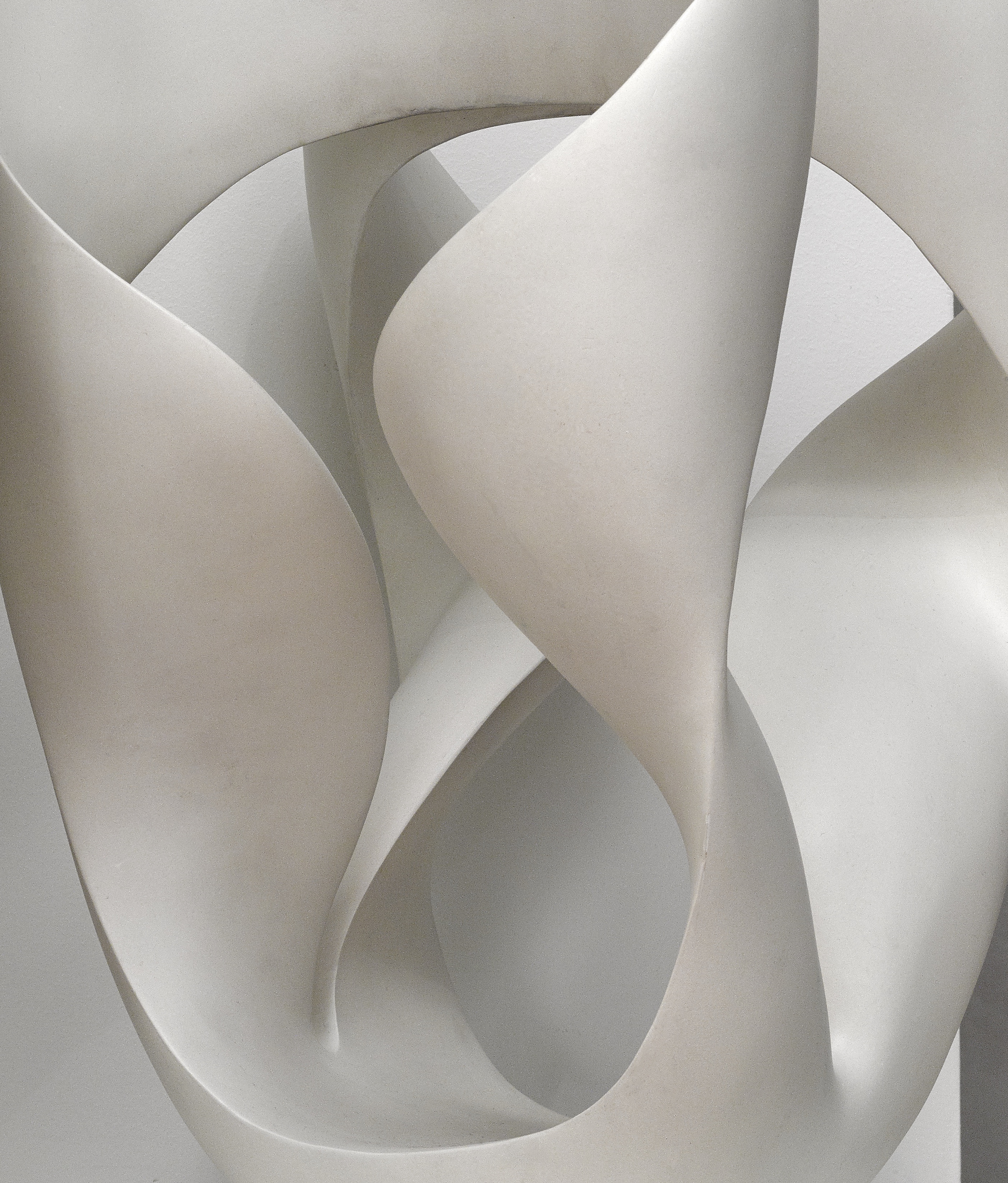
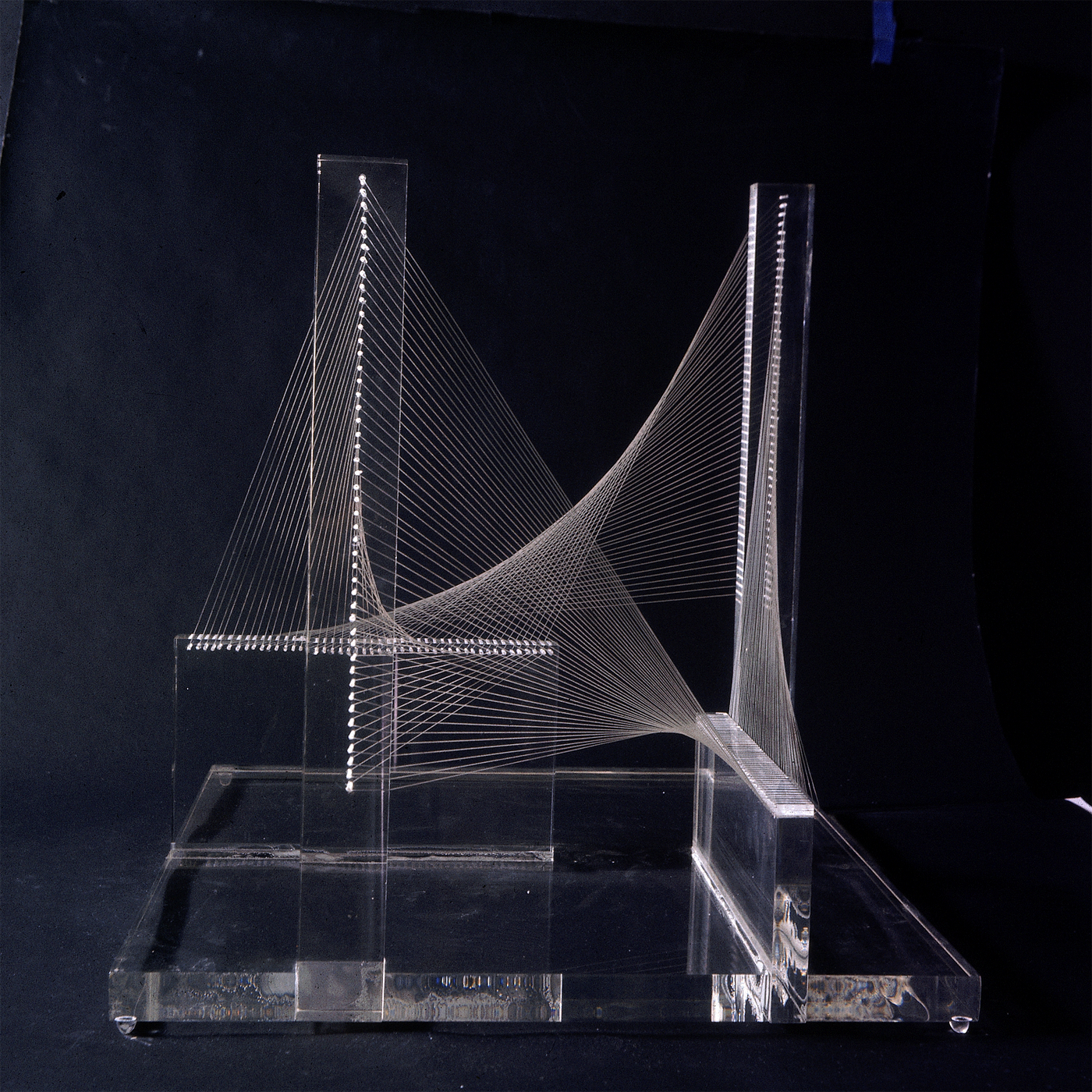
Interest in curvature began after observing my grandmothers sculptor. She studied for a short time at the Institute of Design, with Hugo Weber offering an understanding of curved surfaces and armatures learned from Moholy-Nagy. She continued making such models both as solids and as surface models in the 1960s. Her workshop was nearby, and I frequented it often.
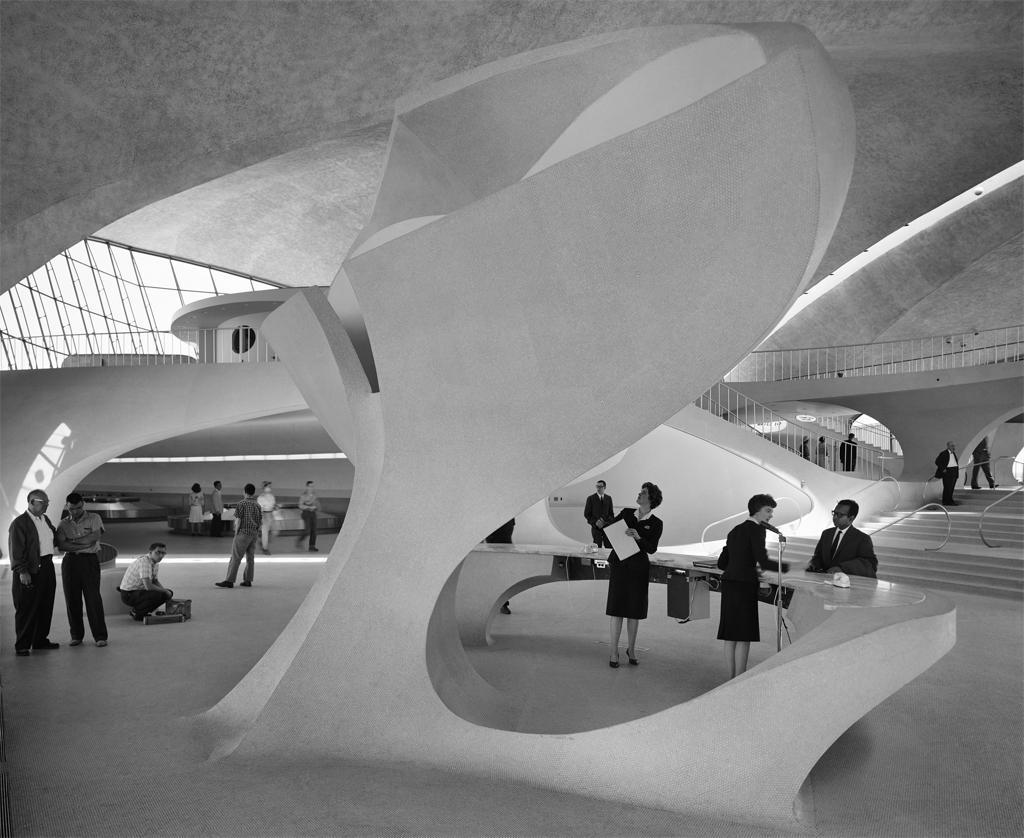
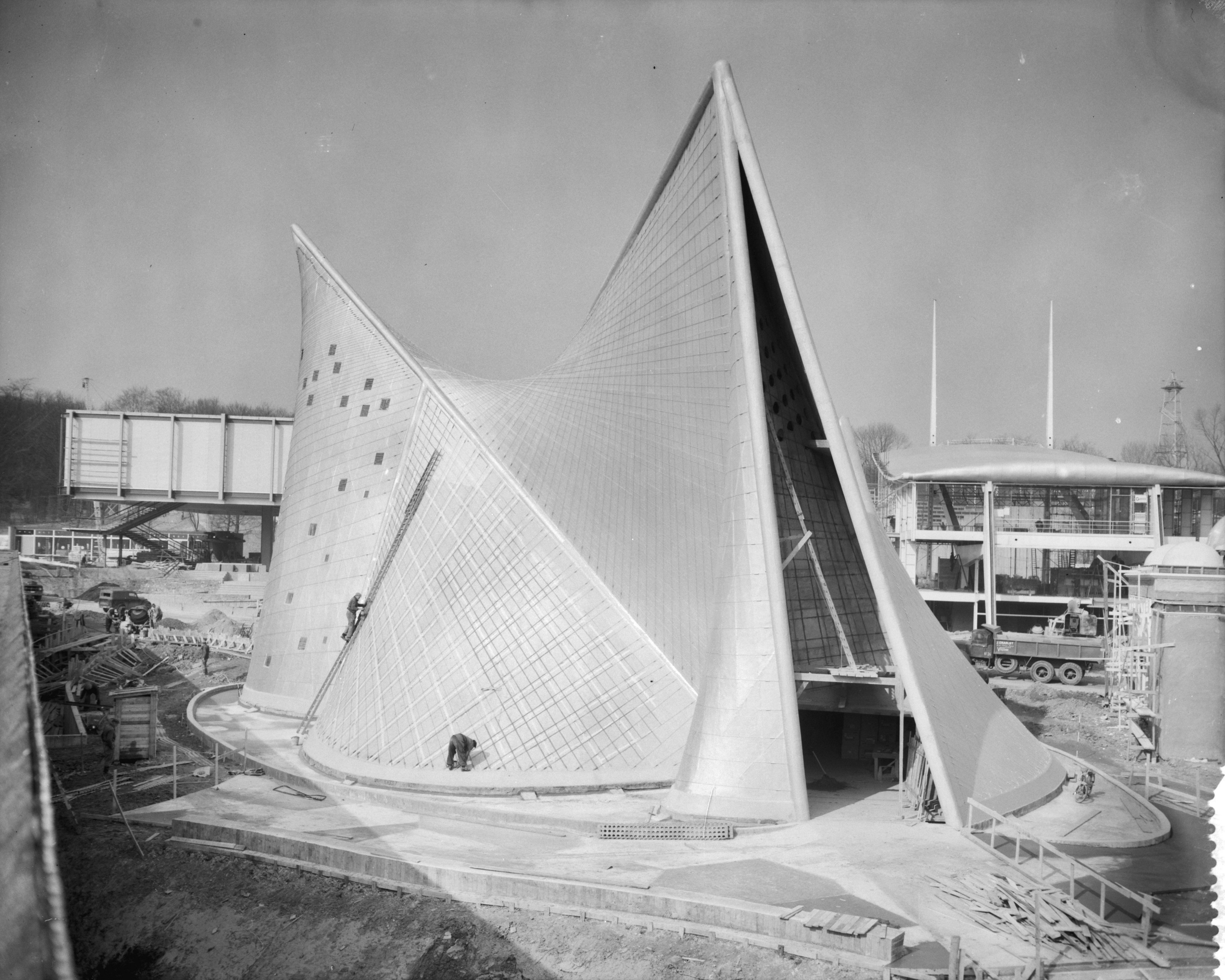
Detail study of the different aspects of special three dimensional buildings included investigation of work by Saarinen and Le Corbusier among others. Buildings of such special shapes was prominent in the 1950s and 1960s, but then went dormant until the 1990s with digital modeling enabled study and construction of complex shapes. At left is an image from Saarinen’s TWA Terminal in New York and Le Corbusier’s and Xenakis’ 1959 Brussels Pavilion for Philips.
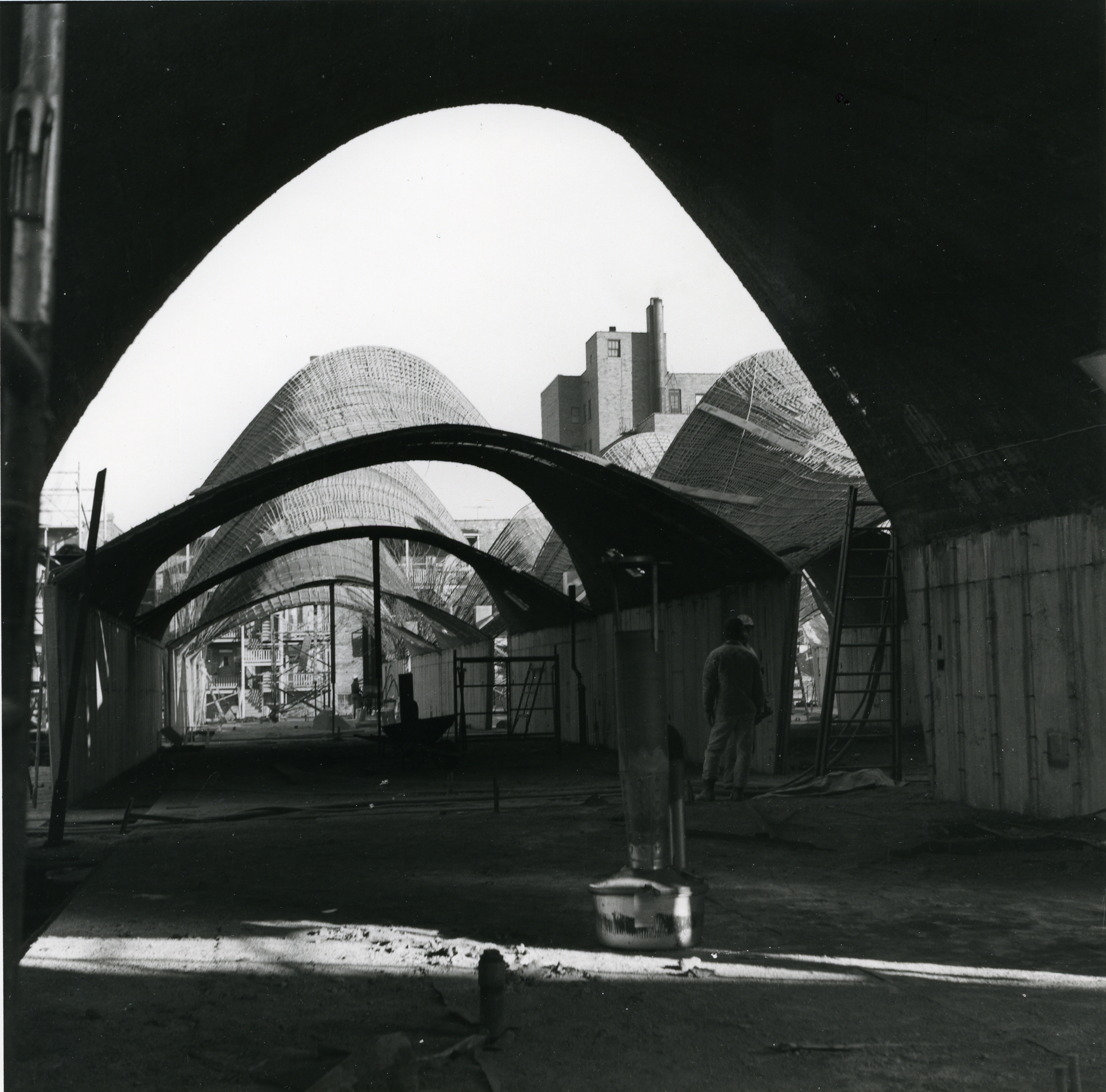
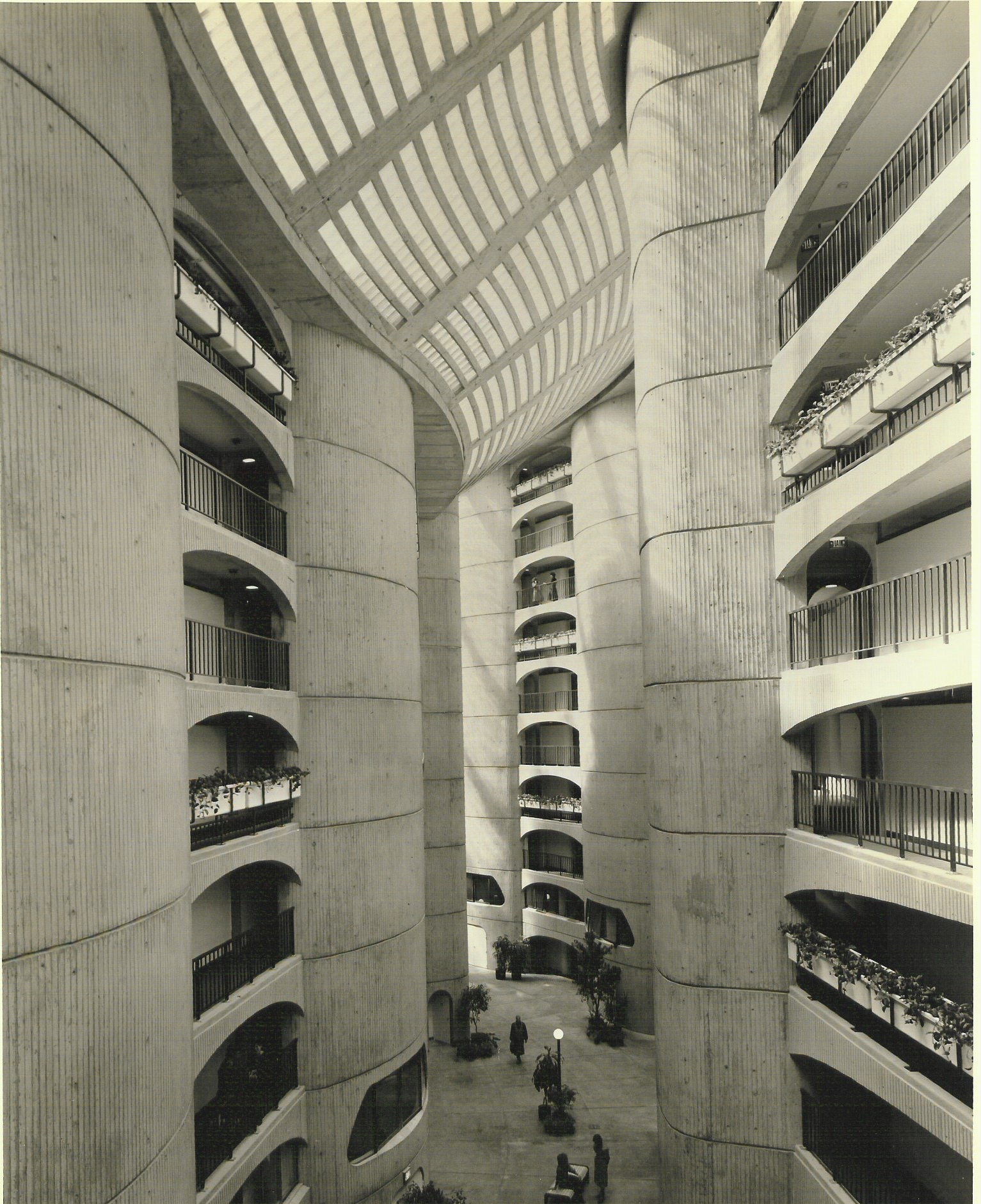
My father was an architect and made a number of buildings using curved geometry. Initially, his major works of the 1960s utilized three dimensional curves; in later works shown here, the curves were largely two dimensional extrusions, skillfully articulated with details and special ending solutions to achieve a sculptural sensibility.