- Architecture
- Large
- Wright College
Wright College
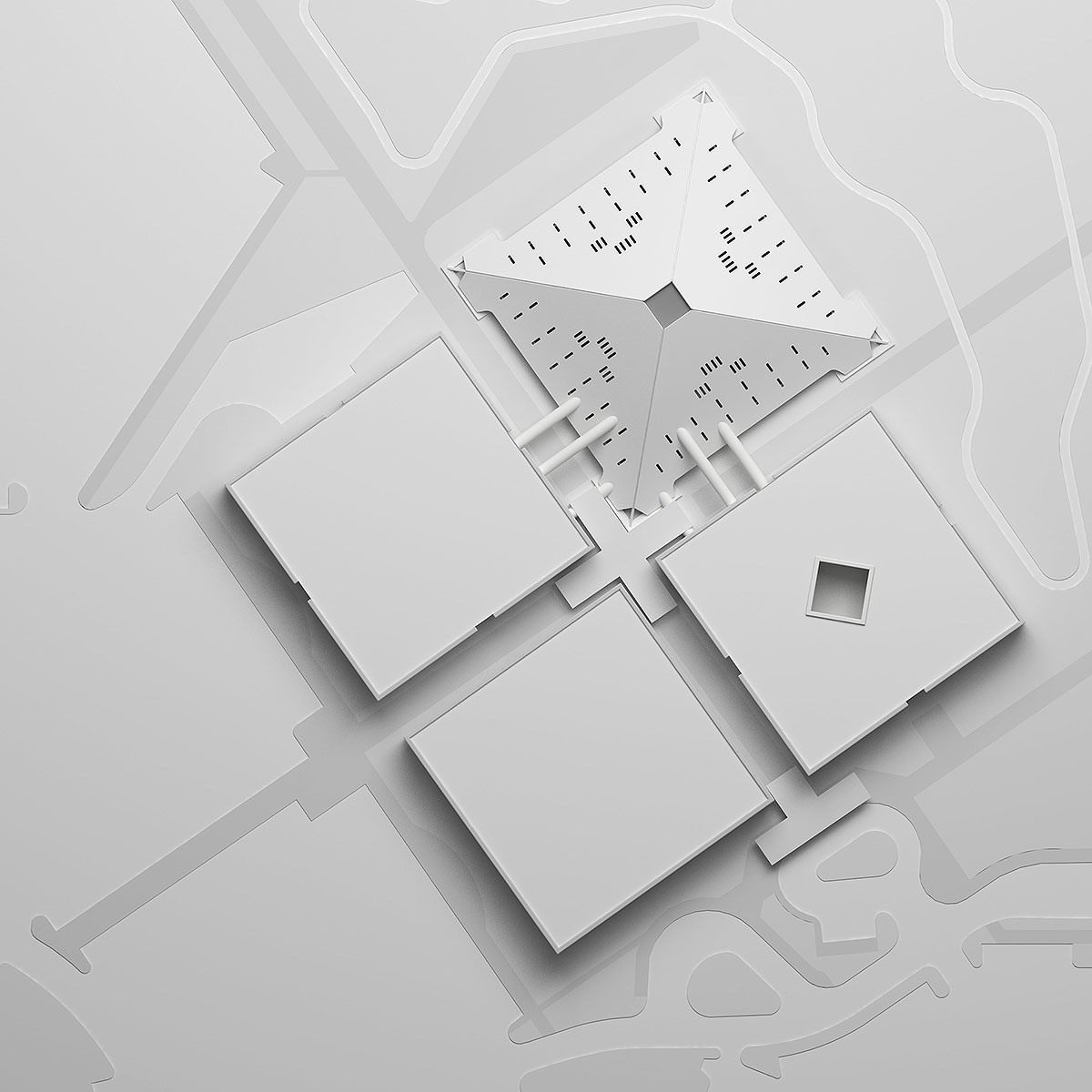
Wright College was the last built work from the office of Bertrand Goldberg Associates. It was designed to be a flagship of the City College system of Chicago. Located on the far northwest side of Chicago it was to compete with the two year community colleges in the suburbs, as well as provide an institutional and cultural presence in a part of Chicago long underserved by the city. The City Colleges came to Goldberg in search of something different.
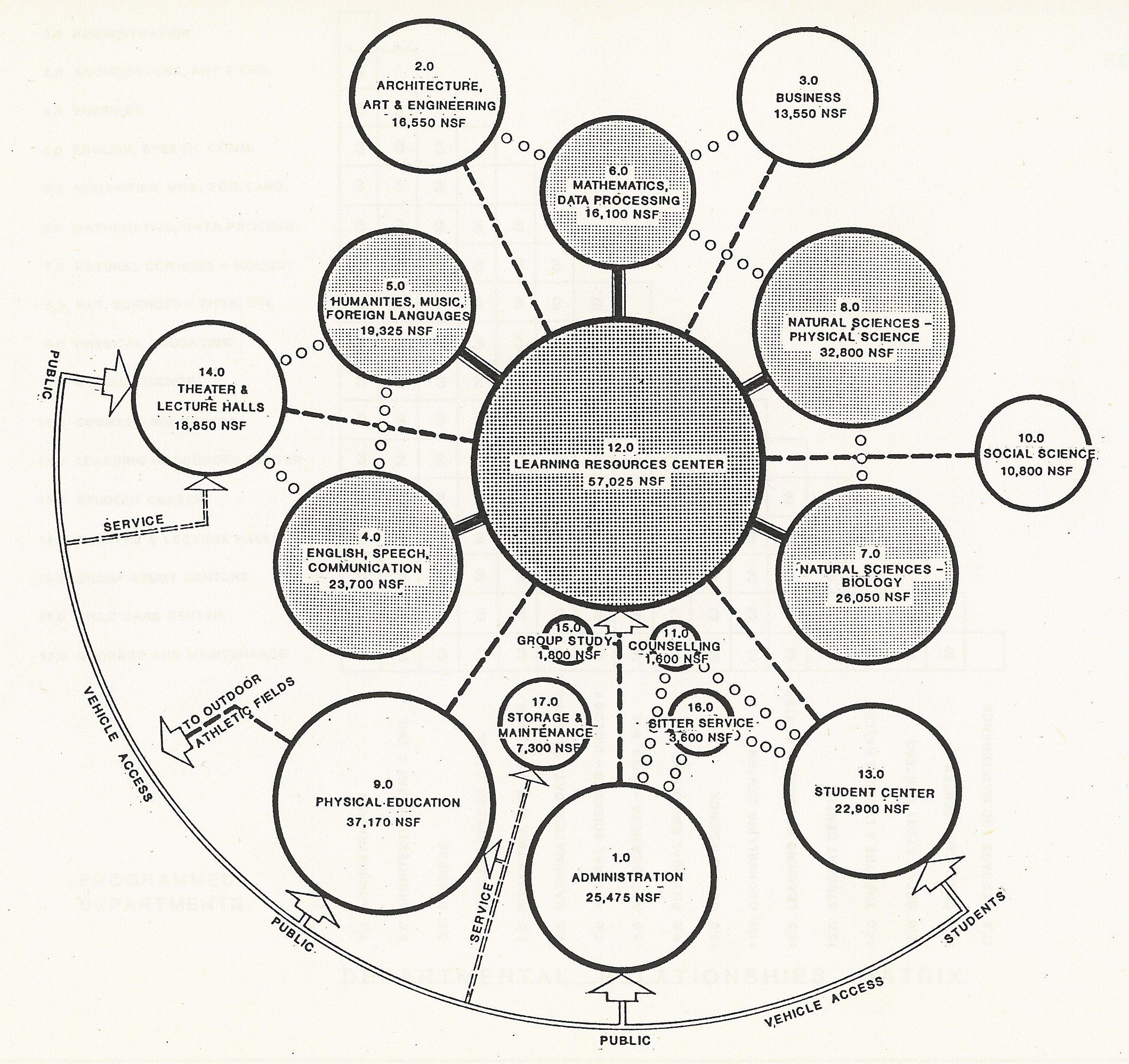
The office undertook all aspects of the project - and spent a year in programming, interviewing all key faculty and administration members, developing a larger social picture of the core issues of this particularly successful city college. The challenge was how to port what worked in a smaller overcrowded facility into a new campus projected to be with twice as many students.
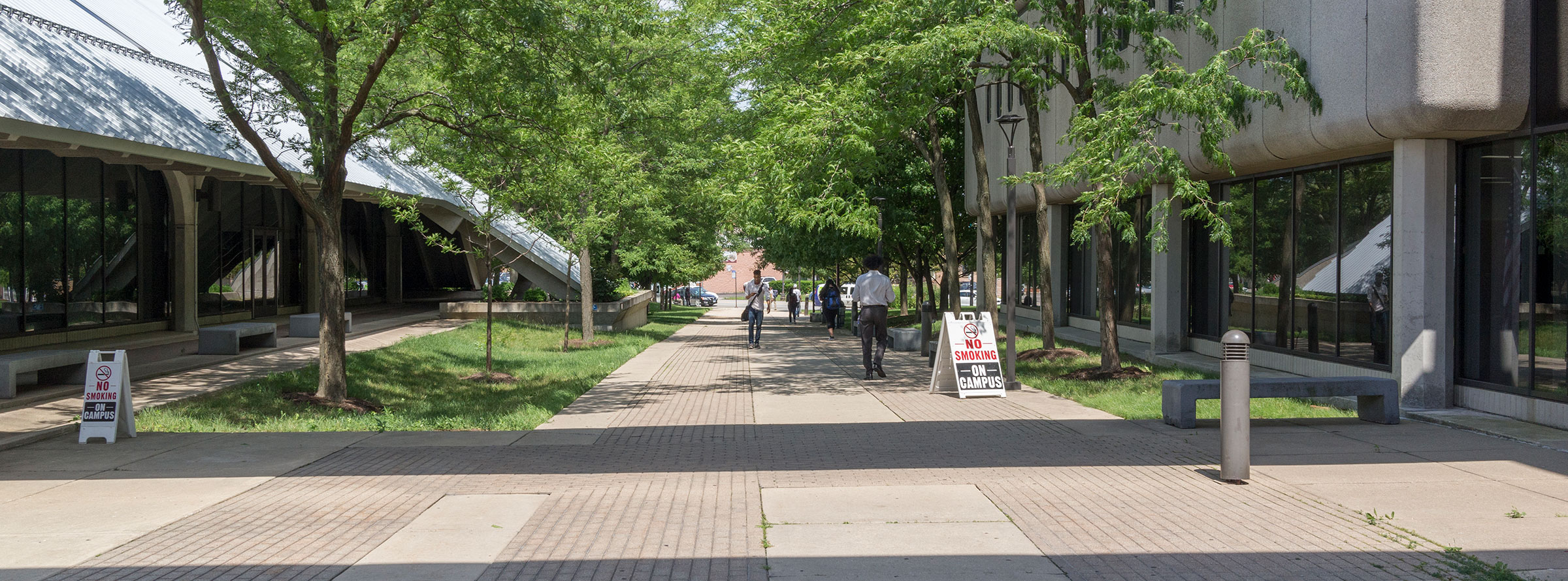
There were several key aspects to the project scheme. First, four buildings essentially the same size were clustered and grouped to provide a campus of “streets” in the spaces in-between that allowed more daylight into the separate buildings. The buildings were sited in the center of a ten acre campus, with five acres of landscape on the “public” side, and parking hidden toward the back.
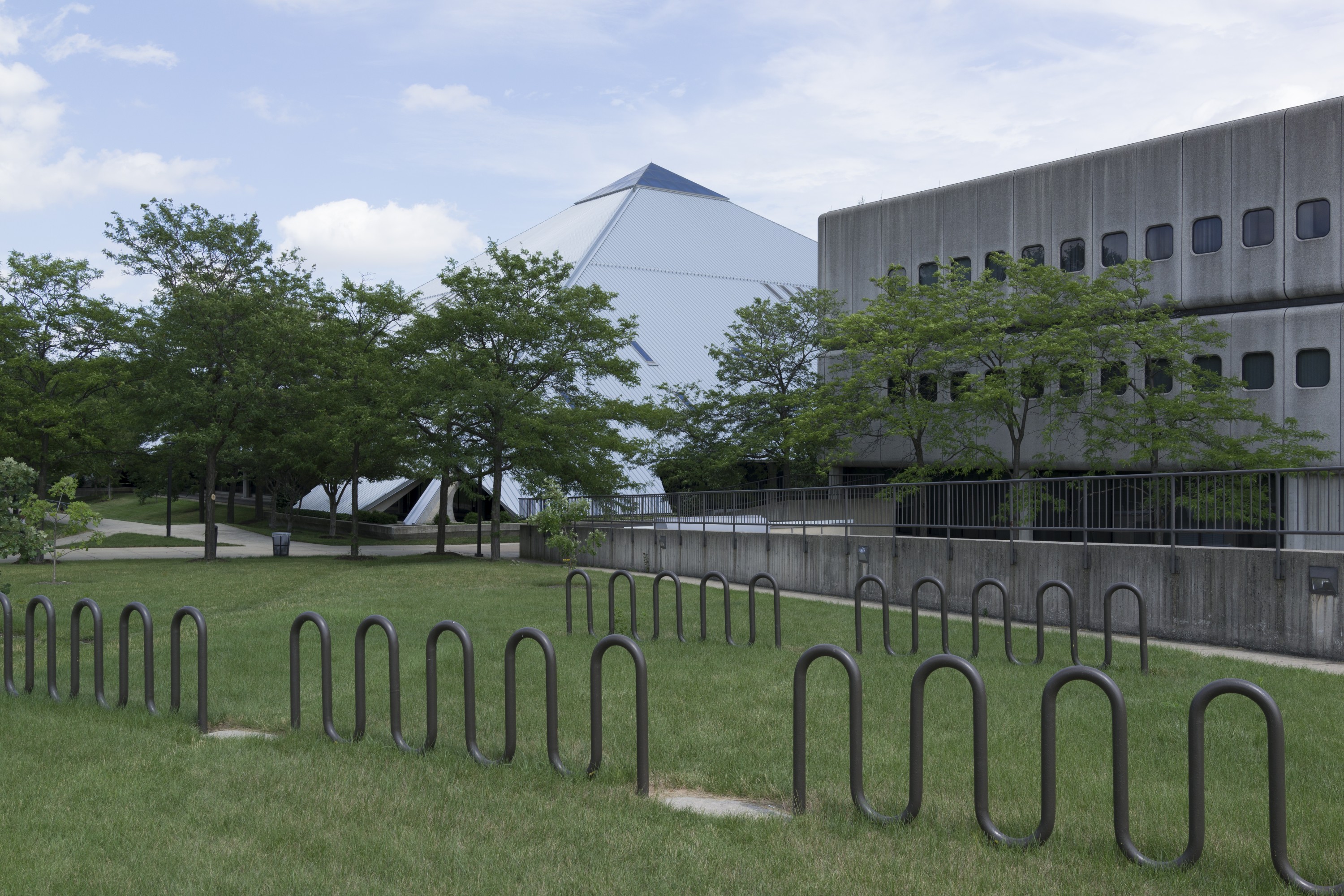
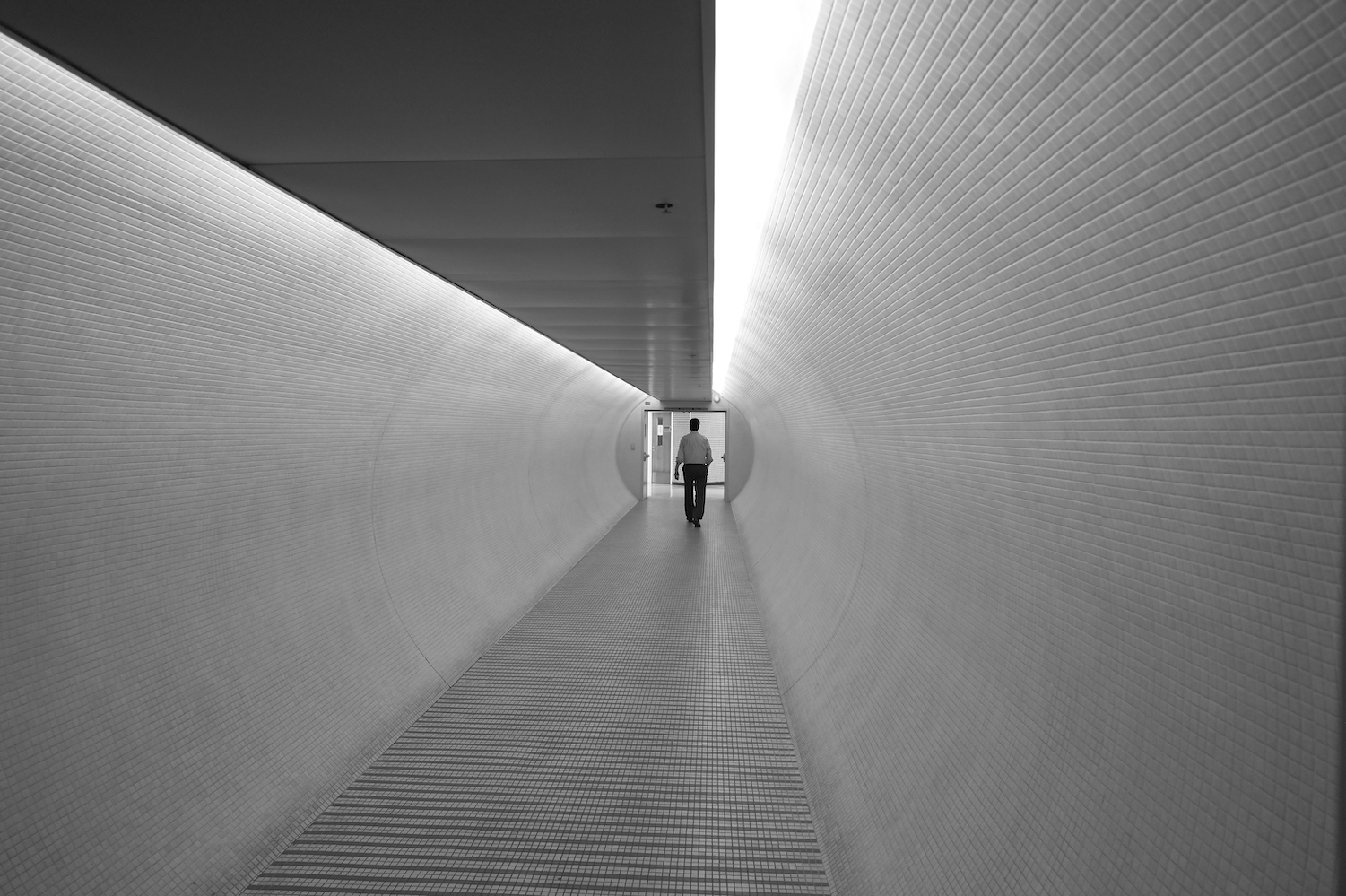
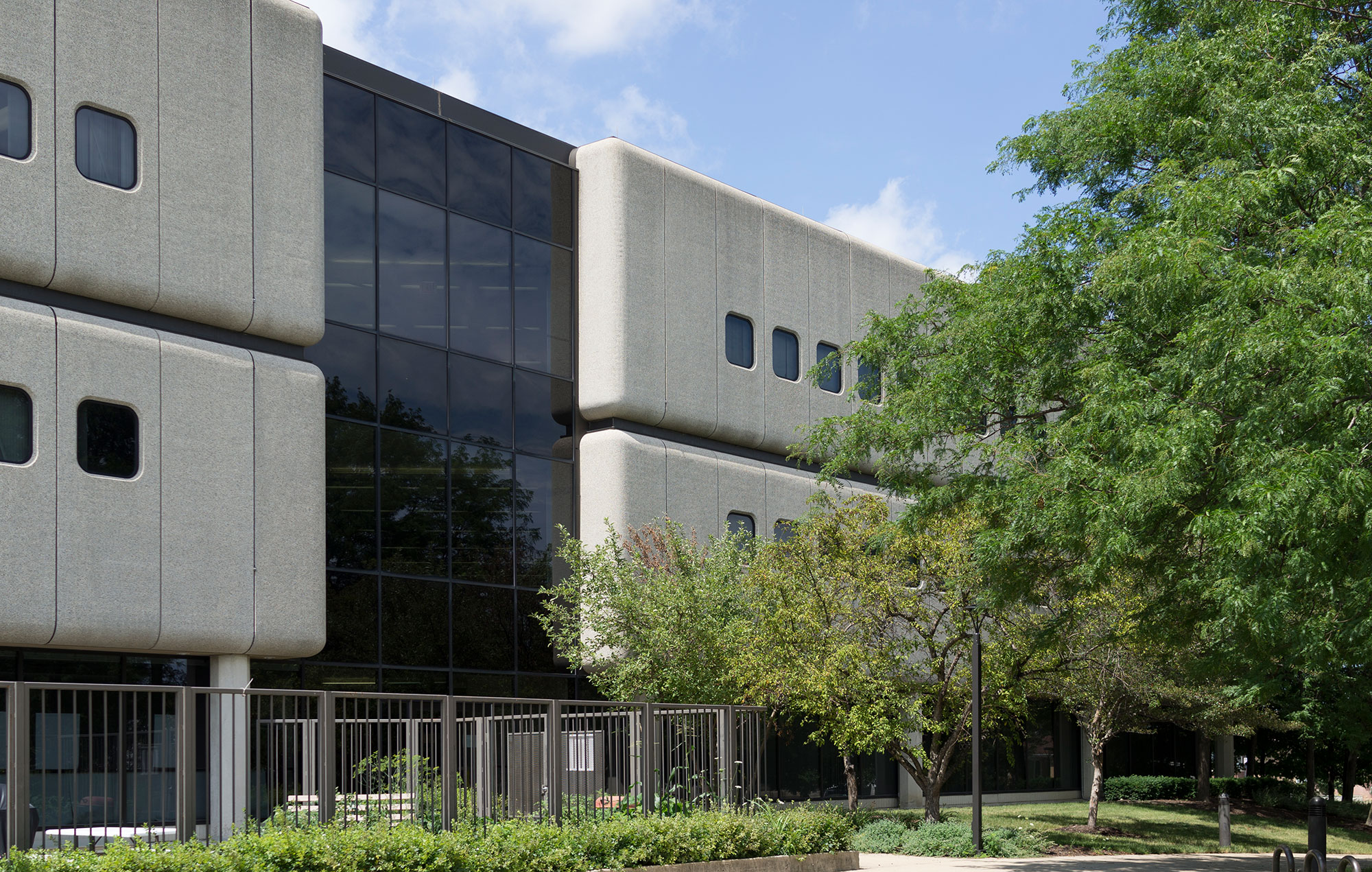
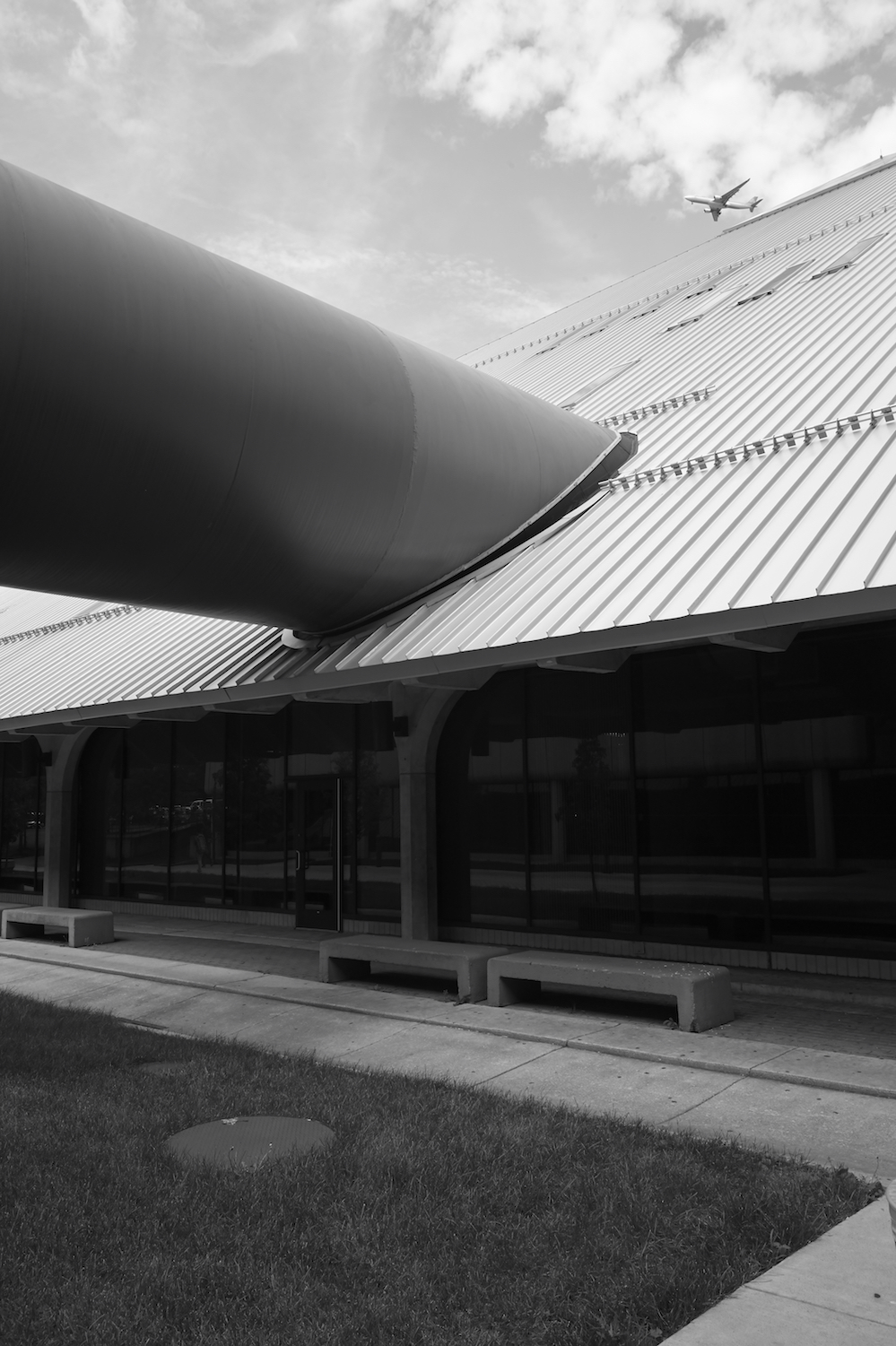
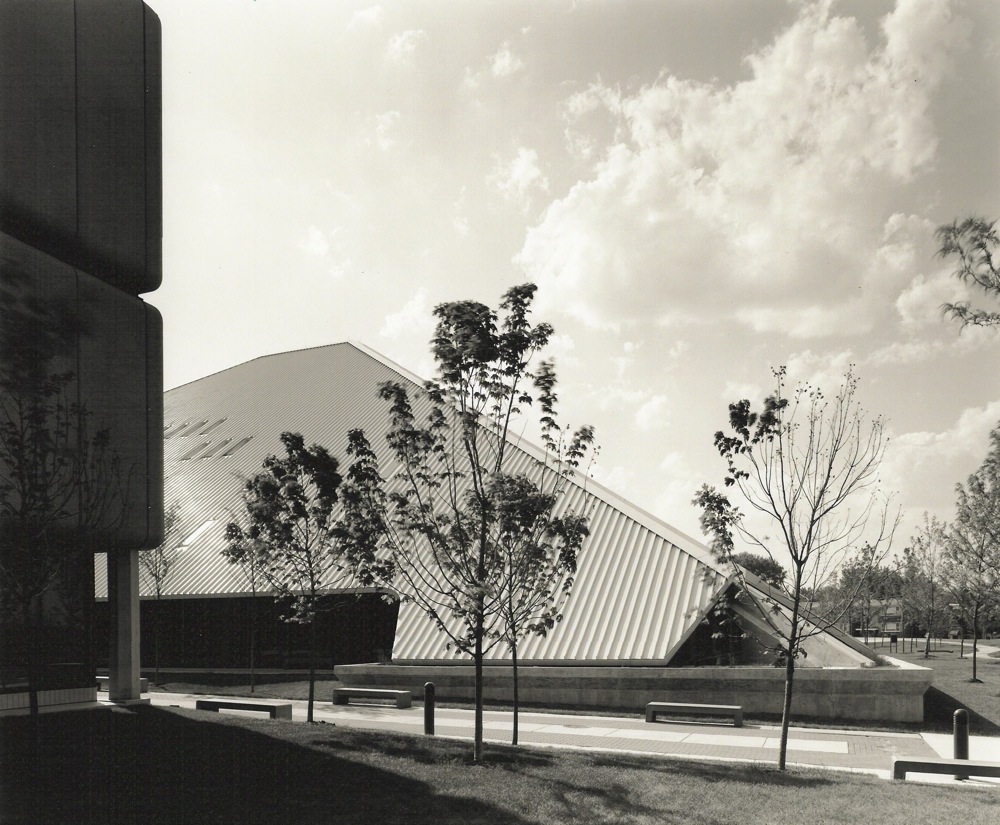
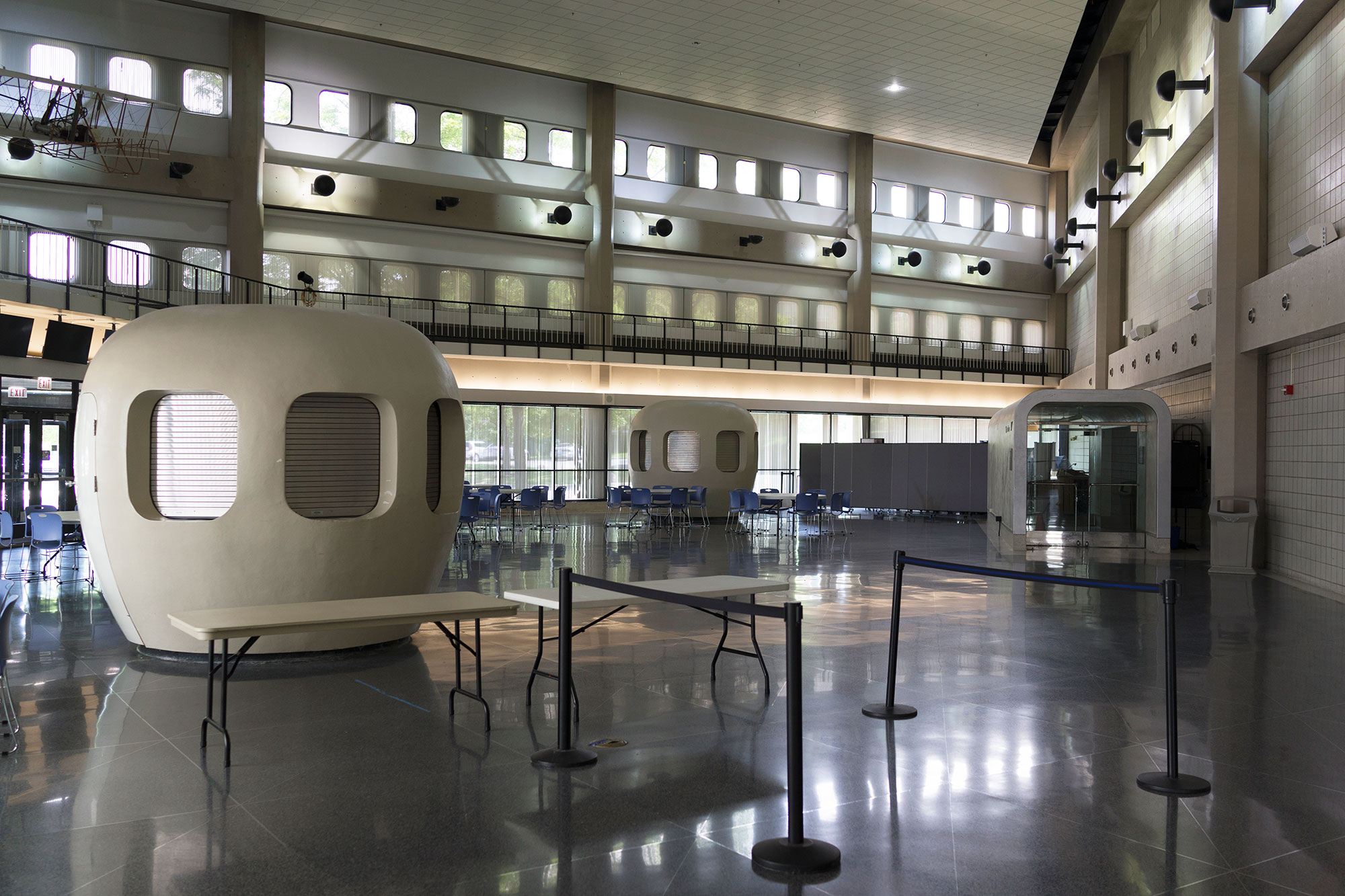
The four main buildings had different uses: the Liberal Arts and Science buildings contained all the classrooms and laboratories. On the southern end was the Omni building, community-focused with theater, gym and pool, open at different hours for public use, and serviced with a car and bus turnaround. On the northern end was the Learning Center, an unusual shaped building that housed all specialized learning activities, the library and faculty offices.
Connections between the buildings on the second and third floors were done with bridges made of steel tubes.
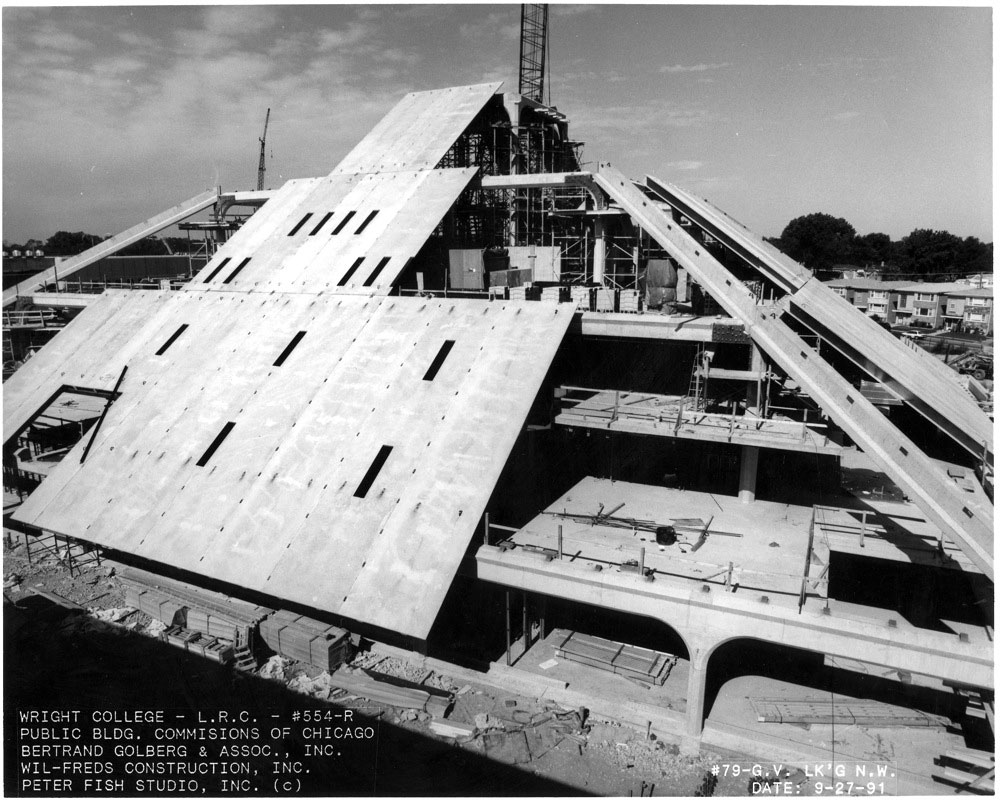
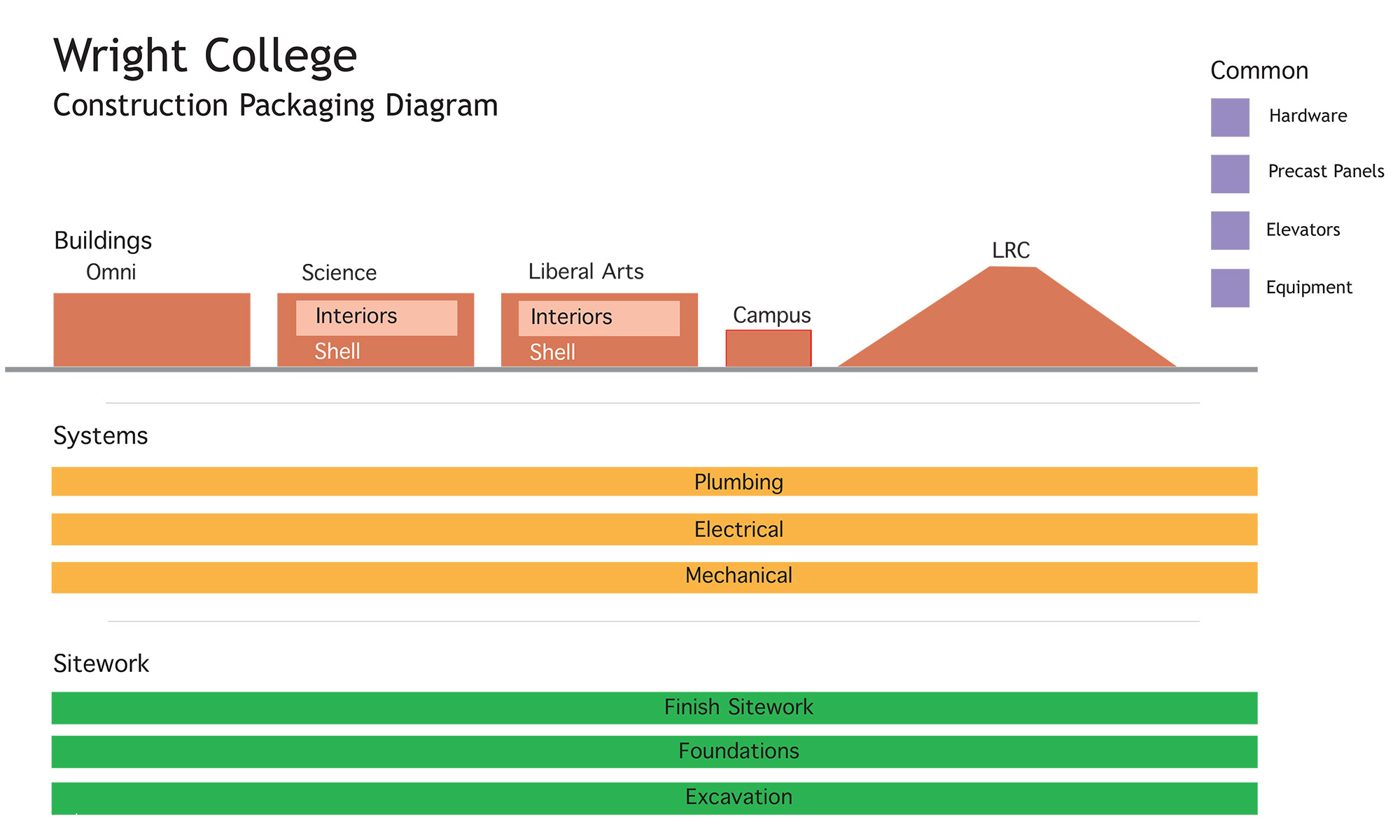
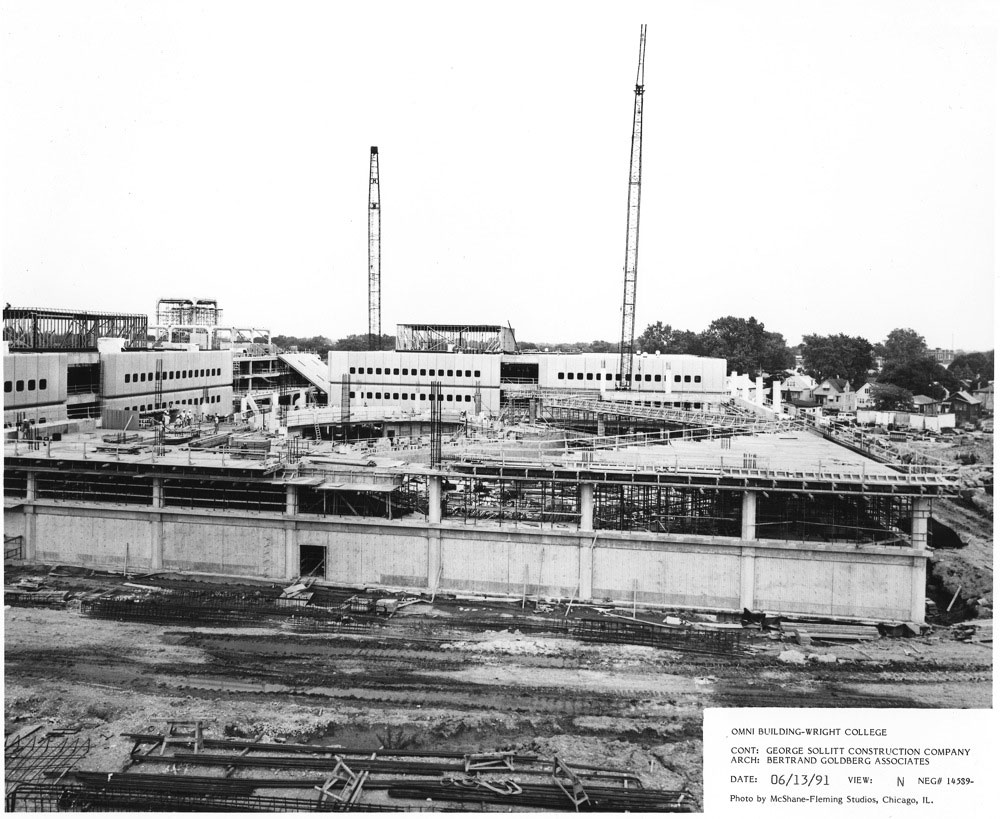
The buildings were a combination of pre-cast and cast in-place concrete for acoustical protection and durability. The three similar buildings, Liberal Arts, Science and Omni were identical from the outside with special precast panels. The Learning Center was unique with precast double-tees, more typically found in parking garages, used for its roof and exterior construction. All buildings had fully glazed first floors for light and visibility.
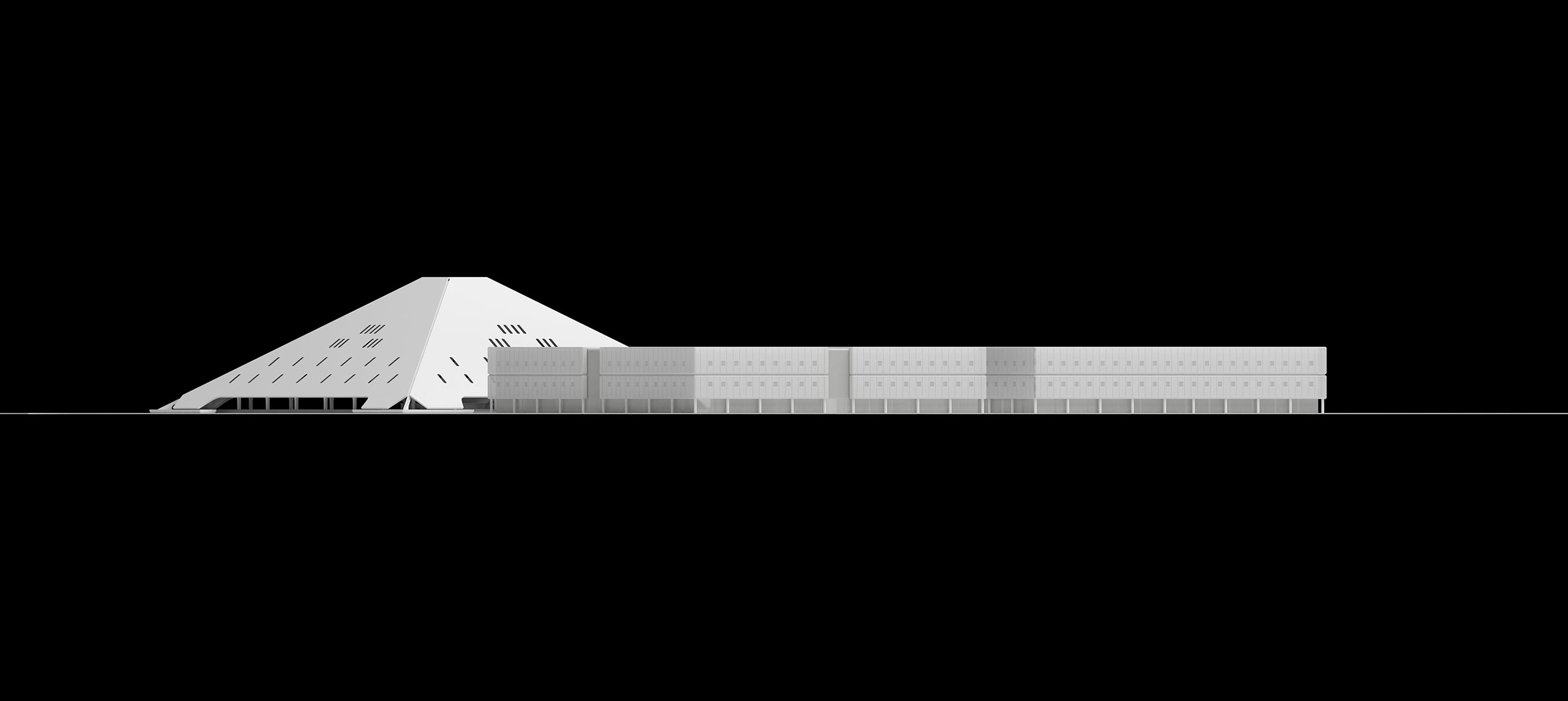
An elevation drawing showing the different masses of the buildings and the form of the Learning Center.